Table of Contents
The Angora hamster, a delightful and fluffy breed, has captured the hearts of pet enthusiasts around the world. Known for their long, luxurious fur and charming personalities, these little creatures are a popular choice for both novice and experienced pet owners. Originating from the same lineage as other Syrian hamsters, the Angora hamster has been selectively bred for its unique coat, making it a standout in the hamster community.
Their gentle demeanor and playful nature make them an ideal companion for families, singles, and anyone looking to add a furry friend to their lives. As we delve deeper into the world of Angora hamsters, we will explore their physical characteristics, care requirements, and behavioral traits. Understanding these aspects is crucial for anyone considering bringing an Angora hamster into their home.
With proper care and attention, these adorable pets can thrive and bring joy to their owners for years to come. About Pawwise is a website where you can find helpful information about pet care and training.
Key Takeaways
- The Angora hamster is a popular small pet known for its long, soft fur and friendly nature.
- Angora hamsters have a compact, round body with a short, thick coat that can come in various colors and patterns.
- Proper care for Angora hamsters includes providing a spacious cage, regular grooming, and opportunities for exercise and mental stimulation.
- A balanced diet for Angora hamsters consists of high-quality hamster pellets, fresh fruits and vegetables, and occasional treats.
- Angora hamsters are known for their curious and social nature, making them great pets for both children and adults.
Physical Characteristics of the Angora Hamster
The most striking feature of the Angora hamster is undoubtedly its long, soft fur. This breed boasts a coat that can grow up to four inches in length, giving it a fluffy appearance that resembles a small ball of cotton. The fur can come in various colors, including shades of cream, brown, gray, and even black.
Their large, expressive eyes are typically dark and round, adding to their endearing look. The Angora hamster’s body is robust and slightly larger than that of other Syrian hamsters, with a rounded shape that enhances its cuddly appearance. In addition to their fur, Angora hamsters have distinct facial features that set them apart from other breeds.
Their cheeks are notably puffy, allowing them to store food efficiently. This characteristic is not only functional but also adds to their charm. Their small ears are often hidden within their fur, giving them a unique silhouette.
Overall, the Angora hamster’s physical traits make it one of the most visually appealing breeds in the hamster family.
Care and Maintenance of Angora Hamsters
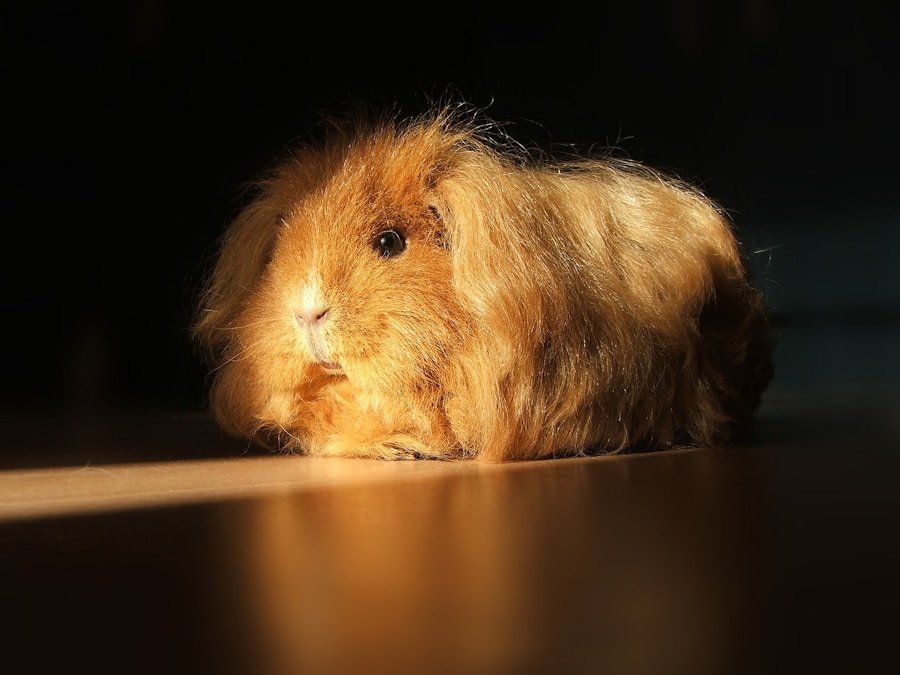
Caring for an Angora hamster requires commitment and attention to detail. Due to their long fur, regular grooming is essential to prevent matting and tangles. Owners should brush their hamsters at least once a week using a soft-bristled brush designed for small animals.
This not only keeps their coat looking pristine but also provides an opportunity for bonding between the pet and owner. Bathing should be avoided unless absolutely necessary, as it can strip the natural oils from their skin and lead to dryness. Housing is another critical aspect of Angora hamster care.
A spacious cage with adequate ventilation is essential for their well-being. The cage should be equipped with bedding that is safe and comfortable, such as aspen shavings or paper-based bedding. Providing hiding spots and tunnels will encourage natural behaviors and keep your hamster mentally stimulated.
Additionally, regular cleaning of the cage is vital to maintain a healthy environment. Spot cleaning should be done daily, while a thorough clean should occur weekly to prevent odors and bacteria buildup.
Angora Hamster’s Diet and Nutrition
| Nutrient | Recommended Daily Amount |
|---|---|
| Protein | 16-20% |
| Fat | 4-6% |
| Fiber | 15-20% |
| Vitamin C | 10-15mg |
| Calcium | 0.5-1% |
A balanced diet is crucial for the health of an Angora hamster. These little creatures are omnivores, which means they require a mix of grains, vegetables, fruits, and protein sources in their diet. High-quality commercial hamster pellets should form the foundation of their nutrition, as they are specifically formulated to meet the dietary needs of hamsters.
Fresh fruits and vegetables can be offered in moderation; favorites include carrots, broccoli, apples, and leafy greens. However, it’s important to introduce new foods gradually to avoid digestive upset. In addition to pellets and fresh produce, protein sources are essential for an Angora hamster’s diet.
Small amounts of cooked chicken or scrambled eggs can be provided occasionally as a treat. Additionally, offering mealworms or crickets can help satisfy their protein needs while keeping mealtime interesting. Fresh water should always be available in a clean water bottle or bowl, ensuring your hamster stays hydrated.
Angora Hamster’s Behavior and Temperament
Angora hamsters are known for their friendly and gentle temperament, making them excellent pets for families and individuals alike. They tend to be more social than some other breeds and can develop strong bonds with their owners over time. While they may be shy at first, with patience and gentle handling, they often become curious and playful companions.
Despite their friendly disposition, it’s important to remember that Angora hamsters are nocturnal creatures. They are most active during the evening and night hours, which may not align with the schedules of all owners.
Understanding this behavior is key to ensuring a harmonious relationship between pet and owner. When handled gently during their waking hours, Angora hamsters can be quite affectionate and may even enjoy being held or cuddled.
Health Concerns and Common Illnesses in Angora Hamsters
Like all pets, Angora hamsters are susceptible to certain health issues that owners should be aware of. One common concern is obesity, which can occur if they are overfed or do not get enough exercise. To prevent this issue, it’s essential to monitor their diet closely and provide ample opportunities for physical activity through toys and exercise wheels.
Regular vet check-ups can also help catch any potential health problems early on. Another health concern specific to Angora hamsters is dental issues due to their continuously growing teeth. Providing chew toys made from safe materials can help keep their teeth trimmed naturally.
Additionally, watch for signs of dental discomfort such as difficulty eating or excessive drooling. Respiratory issues can also arise in hamsters if they are exposed to poor bedding materials or drafts in their environment. Keeping their living space clean and free from irritants is crucial for maintaining respiratory health.
Breeding and Reproduction of Angora Hamsters
Breeding Angora hamsters requires careful consideration and knowledge about their reproductive habits. Female hamsters have a short gestation period of about 16 days, after which they can give birth to a litter of 6-12 pups on average. It’s important to note that breeding should only be undertaken by experienced owners who understand the responsibilities involved in caring for both the mother and her offspring.
When breeding Angora hamsters, it’s essential to ensure that both parents are healthy and free from genetic disorders that could be passed on to the pups. After birth, the mother will care for her young without much interference needed from the owner; however, it’s crucial to provide her with a stress-free environment during this time. Once the pups reach weaning age (around 3-4 weeks), they can be separated from their mother and placed in individual cages.
Fun Facts and Interesting Information about Angora Hamsters
Angora hamsters are not just adorable; they also come with some fascinating trivia that makes them even more endearing! For instance, did you know that they were named after the Angora rabbit due to their similar fluffy appearance?
Another fun fact is that Angora hamsters have been featured in various media forms, including cartoons and children’s books, often depicted as lovable companions on adventures. Their charming personalities have made them favorites among pet owners who enjoy sharing stories about their antics. Additionally, these hamsters have been known to exhibit unique behaviors such as “binky” jumps when they are particularly happy or excited!
In conclusion, the Angora hamster is a delightful breed that offers companionship and joy to those who choose to welcome them into their homes. With proper care, attention to their needs, and an understanding of their behavior, these fluffy little creatures can thrive as beloved pets for years to come. Whether you’re a seasoned hamster owner or considering your first pet, the Angora hamster is sure to bring warmth and happiness into your life!
If you are interested in learning more about different types of dog collars, check out this article on The Paw Wise. It provides valuable information on various collar options for your furry friend.
FAQs
What is an Angora Hamster?
An Angora hamster is a long-haired variety of the Syrian hamster, known for its fluffy and soft coat.
What is the average size of an Angora Hamster?
An adult Angora hamster typically grows to be around 5 to 7 inches in length.
What is the average lifespan of an Angora Hamster?
Angora hamsters have an average lifespan of 2 to 3 years when properly cared for.
What are the grooming needs of an Angora Hamster?
Due to their long hair, Angora hamsters require regular grooming to prevent matting and tangling of their fur. This can be done using a soft brush or comb.
What type of habitat is suitable for an Angora Hamster?
Angora hamsters require a spacious cage with plenty of bedding material for burrowing, as well as a wheel for exercise and chew toys to keep their teeth healthy.
What do Angora Hamsters eat?
Angora hamsters should be fed a diet of commercial hamster food, supplemented with fresh fruits, vegetables, and occasional treats such as nuts or seeds.
Are Angora Hamsters suitable as pets?
Angora hamsters can make great pets for responsible owners who are willing to provide them with the proper care, attention, and environment they need to thrive.