
Table of Contents
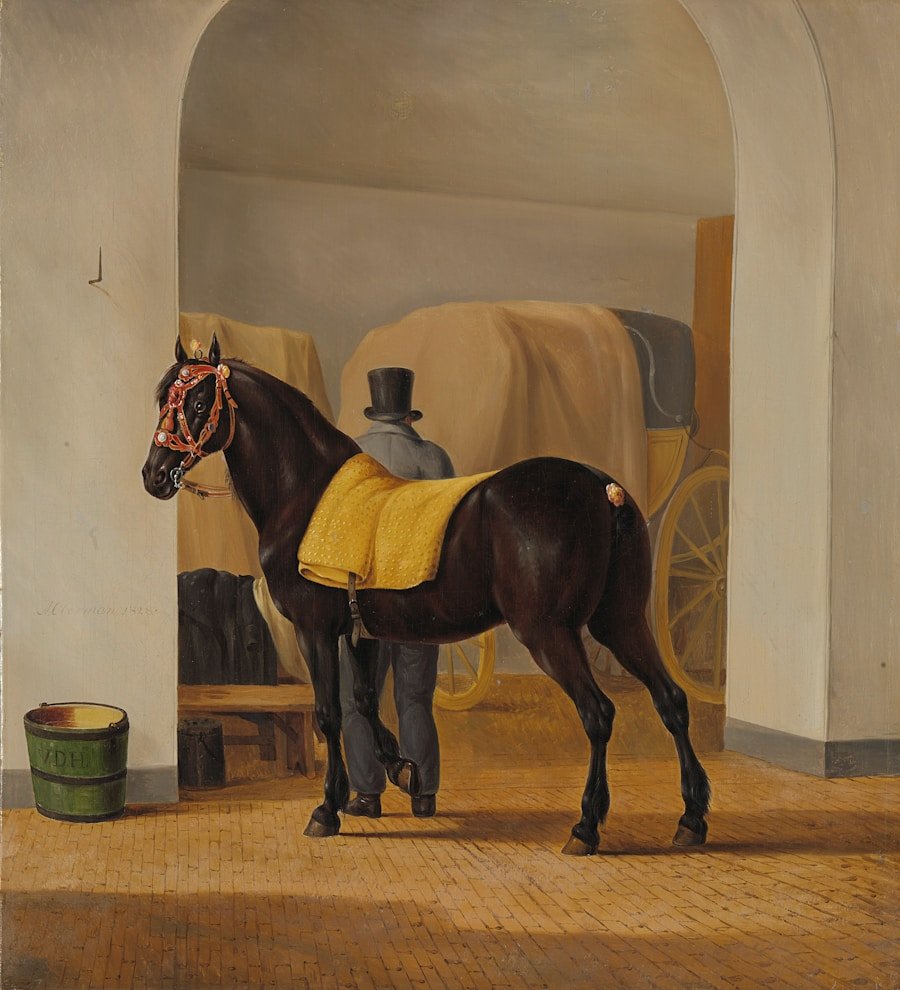
The Hanoverian horse breed boasts a rich and storied history that dates back to the late 17th century in Germany. Originating from the region of Hanover, these horses were initially bred for the purpose of serving in the military and as carriage horses for the nobility.
The Hanoverian horse was selectively bred from a variety of local breeds, including the Holsteiner and Thoroughbred, which contributed to its strength, agility, and versatility. As time progressed, the Hanoverian horse evolved from its military roots into a premier sport horse. The breed gained international recognition in the 20th century, particularly after World War II, when it became a favorite among equestrians for its performance in various disciplines.
The establishment of the Hanoverian Verband in 1888 further solidified the breed’s standards and quality control, ensuring that only the best horses were registered and bred. Today, the Hanoverian is celebrated not only for its historical significance but also for its modern-day contributions to equestrian sports. Here is the sentence: Learn more about different horse breeds at Key Takeaways The Hanoverian horse is renowned for its striking physical appearance, which embodies both power and elegance. Typically standing between 15.3 to 17.3 hands high, these horses possess a well-proportioned body with a strong, muscular build. Their long necks are elegantly arched, leading to a refined head with expressive eyes that convey intelligence and curiosity. The breed’s powerful hindquarters contribute to its impressive athleticism, making it a formidable competitor in various equestrian disciplines. In terms of coat color, Hanoverians come in a variety of shades, including bay, chestnut, black, and gray. Their coats are often glossy and well-groomed, reflecting their overall health and vitality. One of the most distinctive features of the Hanoverian is its movement; they are known for their fluid gaits and impressive suspension, which not only enhances their performance but also captivates audiences during competitions. This combination of physical traits makes the Hanoverian a true embodiment of beauty and strength. Their strong hindquarters provide the power needed for advanced movements such as piaffe and passage, while their intelligence allows them to learn complex routines quickly. In show jumping, the Hanoverian’s powerful build and exceptional jumping ability set them apart from other breeds. They possess a natural talent for clearing obstacles with ease, thanks to their strong legs and keen sense of balance. Many top-level show jumpers are Hanoverians, showcasing their versatility and adaptability across various equestrian events. Their success in these arenas has not only elevated the breed’s status but has also inspired countless riders to pursue their dreams alongside these magnificent horses. One of the most appealing aspects of the Hanoverian horse is its temperament. Known for being gentle and kind-hearted, these horses are often described as having a calm demeanor that makes them suitable for riders of all experience levels. Their intelligence plays a significant role in their trainability; Hanoverians are quick learners who thrive on positive reinforcement and consistent training methods. This willingness to work makes them ideal partners for both amateur riders and seasoned professionals. Moreover, Hanoverians tend to form strong bonds with their handlers and riders. They are known for their affectionate nature and desire to please, which can lead to a rewarding partnership between horse and rider. This temperament not only enhances their performance in competitive settings but also makes them wonderful companions for leisure riding or family activities. Their gentle disposition allows them to adapt well to various environments, making them suitable for families with children or individuals seeking a loyal equine friend. The breeding of Hanoverian horses is a meticulous process aimed at maintaining the breed’s high standards of quality and performance. Breeders focus on selecting horses that exemplify the ideal traits associated with the breed—such as conformation, movement, and temperament—ensuring that each generation continues to improve upon its predecessors. The Hanoverian Verband plays a crucial role in this process by establishing guidelines for breeding practices and conducting inspections to evaluate potential breeding stock. In addition to physical attributes, breeders also consider genetic diversity when selecting breeding pairs. This focus on genetic health helps prevent hereditary issues that could affect future generations. The use of modern technology, such as genetic testing and artificial insemination, has further enhanced breeding practices within the Hanoverian community. By prioritizing excellence in breeding, enthusiasts can ensure that the legacy of this remarkable breed continues for years to come. Throughout history, the Hanoverian horse has captured the imagination of artists and writers alike, becoming a symbol of beauty and prestige in various forms of art and culture. From classic paintings depicting noble riders on horseback to contemporary photography showcasing their elegance in motion, these horses have been celebrated for their aesthetic appeal. Their striking appearance and graceful movements make them a popular subject among equine artists who seek to capture their essence on canvas. In literature, the Hanoverian has often been portrayed as a noble steed associated with royalty and grandeur. Their historical ties to European nobility have solidified their status as symbols of power and elegance. This cultural significance extends beyond art; Hanoverians have also made appearances in films and television shows that highlight their beauty and athleticism. As a result, they continue to inspire admiration and respect among equestrians and art enthusiasts alike. Caring for a Hanoverian horse requires dedication and knowledge to ensure they remain healthy and happy throughout their lives. A balanced diet is essential; these horses thrive on high-quality hay or pasture grass supplemented with grains or concentrates designed for performance horses. It’s important to monitor their weight closely since Hanoverians can be prone to obesity if overfed or not exercised adequately. Regular feeding schedules should be established to maintain consistent energy levels. Housing is another critical aspect of horse care. A clean, spacious stable with proper ventilation is essential for keeping your Hanoverian comfortable. Regular grooming not only helps maintain their shiny coat but also provides an opportunity to check for any signs of injury or illness. Routine veterinary care is vital; vaccinations, dental check-ups, and hoof care should be scheduled regularly to prevent health issues from arising. By prioritizing these care needs, owners can ensure that their majestic companions lead long, healthy lives. As we look toward the future of the Hanoverian breed, it is clear that preserving its legacy of elegance and strength will require ongoing commitment from breeders, owners, and enthusiasts alike. The emphasis on maintaining high breeding standards will continue to play a crucial role in ensuring that future generations of Hanoverians embody the qualities that have made them so beloved in equestrian circles. This includes not only physical attributes but also temperament traits that make them exceptional partners. Moreover, as equestrian sports evolve, so too must the breeding practices associated with the Hanoverian horse. Embracing advancements in veterinary science and technology will be essential in addressing potential health concerns while promoting genetic diversity within the breed. By fostering a community dedicated to education and collaboration among breeders, trainers, and riders, we can ensure that the Hanoverian horse remains a symbol of excellence in equestrian sports for generations to come. In conclusion, the Hanoverian horse is more than just an impressive athlete; it is a breed steeped in history, characterized by beauty and grace, with a temperament that endears it to riders worldwide. As we celebrate this remarkable breed’s past achievements while looking forward to its future potential, we can appreciate all that it represents within the equestrian community—a true testament to elegance and strength on four legs. If you are interested in learning more about unique pets, you may want to check out this article on The Physical Characteristics of the Hanoverian: A Perfect Blend of Power and Grace
The Hanoverian in Equestrian Sports: Dominating the Dressage and Show Jumping Arenas
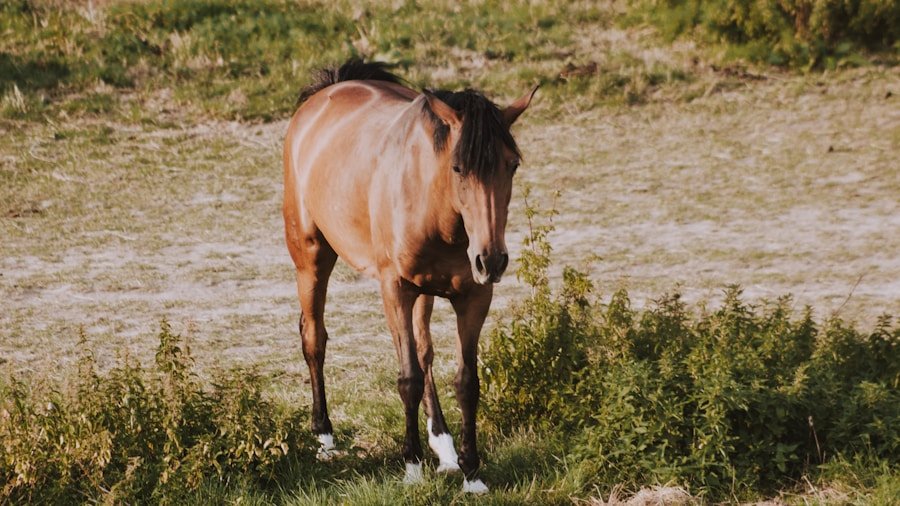
The Hanoverian horse has established itself as a dominant force in the world of equestrian sports, particularly in dressage and show jumping. Their natural athleticism, combined with their trainable nature, makes them ideal candidates for these disciplines. In dressage, Hanoverians are celebrated for their ability to perform intricate movements with precision and grace. The Hanoverian’s Temperament: Gentle, Intelligent, and Willing
Trait Characteristic Gentle The Hanoverian breed is known for its gentle and calm temperament, making it suitable for riders of all levels. Intelligent With a high level of intelligence, Hanoverians are quick learners and excel in various equestrian disciplines. Willing Known for their willingness to work and please their riders, Hanoverians are often described as cooperative and eager to perform. Hanoverian Breeding: Maintaining the Standards of Excellence
The Hanoverian in Art and Culture: A Symbol of Beauty and Prestige
Hanoverian Horse Care: Tips for Keeping Your Majestic Companion Healthy and Happy
The Future of the Hanoverian Breed: Preserving a Legacy of Elegance and Strength

; border: none; border-radius: 5px; box-shadow: rgb(204, 74, 16) 0px 2px 0px; cursor: pointer; transition: 0.1s; display: block; margin: 0px auto; max-width: 150px; text-align: center; text-decoration: none;">Pawwise</a></p><p></p><h2><span class="penci-toc-section" id="penci-FAQs"></span>FAQs<span class="penci-toc-section-end"></span></h2><p></p><h3><span class="penci-toc-section" id="penci-What_is_a_Hanoverian_horse"></span>What is a Hanoverian horse?<span class="penci-toc-section-end"></span></h3><p>The Hanoverian horse is a warmblood breed that originated in Germany. It is known for its athleticism, strength, and versatility, making it popular for both competitive sports and leisure riding.</p><h3><span class="penci-toc-section" id="penci-What_are_the_characteristics_of_a_Hanoverian_horse"></span>What are the characteristics of a Hanoverian horse?<span class="penci-toc-section-end"></span></h3><p>Hanoverian horses are typically tall, elegant, and well-proportioned with a strong, muscular build. They have a kind and willing temperament, making them suitable for riders of all levels. They are known for their smooth gaits and powerful movement.</p><h3><span class="penci-toc-section" id="penci-What_are_Hanoverian_horses_used_for"></span>What are Hanoverian horses used for?<span class="penci-toc-section-end"></span></h3><p>Hanoverian horses are used for a variety of equestrian disciplines, including dressage, show jumping, eventing, and driving. They are also popular for pleasure riding and as family horses due to their gentle nature.</p><h3><span class="penci-toc-section" id="penci-What_is_the_history_of_the_Hanoverian_horse_breed"></span>What is the history of the Hanoverian horse breed?<span class="penci-toc-section-end"></span></h3><p>The Hanoverian breed has a long history dating back to the 17th century when the royal studs of Celle in Lower Saxony, Germany, began breeding horses for military and agricultural purposes. Over time, the breed has been refined and developed into the versatile sport horse it is today.</p><h3><span class="penci-toc-section" id="penci-What_is_the_Hanoverian_Verband"></span>What is the Hanoverian Verband?<span class="penci-toc-section-end"></span></h3><p>The Hanoverian Verband is the official breeding association for Hanoverian horses. It is responsible for maintaining the breed standard, organizing inspections and auctions, and promoting the Hanoverian horse both nationally and internationally.</p><div class="penci-single-link-pages"></div></div></div><div class="tags-share-box single-post-share tags-share-box-n4 pcnew-share social-align-default disable-btnplus tags-share-box-s2 show-txt rounder post-share">
<span class="penci-social-share-text"><i class="penciicon-sharing"></i>Share</span>
<span class="post-share-item post-share-plike">
<span class="count-number-like">0</span><a href="#" aria-label="Like this post" class="penci-post-like single-like-button" data-post_id="2511" title="Like" data-like="Like" data-unlike="Unlike"><i class="penci-faicon fa fa-heart-o" ></i></a> </span>
<a class="new-ver-share post-share-item post-share-facebook" aria-label="Share on Facebook" target="_blank" rel="noreferrer" href="https://www.facebook.com/sharer/sharer.php?u=https://thepawwise.com/the-majestic-hanoverian-horse-a-symbol-of-elegance-and-strength/"><i class="penci-faicon fa fa-facebook" ></i><span class="dt-share">Facebook</span></a><a class="new-ver-share post-share-item post-share-twitter" aria-label="Share on Twitter" target="_blank" rel="noreferrer" href="https://x.com/intent/tweet?text=Check%20out%20this%20article:%20The%20Majestic%20Hanoverian%20Horse%3A%20A%20Symbol%20of%20Elegance%20and%20Strength%20-%20https://thepawwise.com/the-majestic-hanoverian-horse-a-symbol-of-elegance-and-strength/"><i class="penci-faicon penciicon-x-twitter" ></i><span class="dt-share">Twitter</span></a><a class="new-ver-share post-share-item post-share-pinterest" aria-label="Pin to Pinterest" data-pin-do="none" rel="noreferrer" target="_blank" href="https://www.pinterest.com/pin/create/button/?url=https%3A%2F%2Fthepawwise.com%2Fthe-majestic-hanoverian-horse-a-symbol-of-elegance-and-strength%2F&media=https%3A%2F%2Fthepawwise.com%2Fwp-content%2Fuploads%2F2025%2F05%2Fimage-467.jpg&description=The+Majestic+Hanoverian+Horse%3A+A+Symbol+of+Elegance+and+Strength"><i class="penci-faicon fa fa-pinterest" ></i><span class="dt-share">Pinterest</span></a><a class="new-ver-share post-share-item post-share-item-hf post-share-threads" aria-label="Share on Threads" target="_blank" rel="noreferrer" href="https://threads.net/intent/post?text=The%20Majestic%20Hanoverian%20Horse%3A%20A%20Symbol%20of%20Elegance%20and%20Strength&url=https%3A%2F%2Fthepawwise.com%2Fthe-majestic-hanoverian-horse-a-symbol-of-elegance-and-strength%2F"><i class="penci-faicon penciicon-threads" ></i><span class="dt-share">Threads</span></a><a class="new-ver-share post-share-item post-share-item-hf post-share-bluesky" aria-label="Share on Bluesky" target="_blank" rel="noreferrer" href="https://bsky.app/intent/compose?text=The%20Majestic%20Hanoverian%20Horse%3A%20A%20Symbol%20of%20Elegance%20and%20Strength%20https%3A%2F%2Fthepawwise.com%2Fthe-majestic-hanoverian-horse-a-symbol-of-elegance-and-strength%2F"><i class="penci-faicon penciicon-butterfly" ></i><span class="dt-share">Bluesky</span></a><a class="new-ver-share post-share-item post-share-email" target="_blank" aria-label="Share via Email" rel="noreferrer" href="mailto:?subject=The%20Majestic%20Hanoverian%20Horse:%20A%20Symbol%20of%20Elegance%20and%20Strength&BODY=https://thepawwise.com/the-majestic-hanoverian-horse-a-symbol-of-elegance-and-strength/"><i class="penci-faicon fa fa-envelope" ></i><span class="dt-share">Email</span></a><a class="post-share-item post-share-expand" href="#" aria-label="Share Expand"><i class="penci-faicon penciicon-add" ></i></a></div><div class="post-author abio-style-2 bioimg-square"><div class="author-img">
<img data-lazyloaded="1" src="data:image/svg+xml;base64,PHN2ZyB4bWxucz0iaHR0cDovL3d3dy53My5vcmcvMjAwMC9zdmciIHdpZHRoPSIxMDAiIGhlaWdodD0iMTAwIiB2aWV3Qm94PSIwIDAgMTAwIDEwMCI+PHJlY3Qgd2lkdGg9IjEwMCUiIGhlaWdodD0iMTAwJSIgc3R5bGU9ImZpbGw6I2NmZDRkYjtmaWxsLW9wYWNpdHk6IDAuMTsiLz48L3N2Zz4=" alt=)