Table of Contents
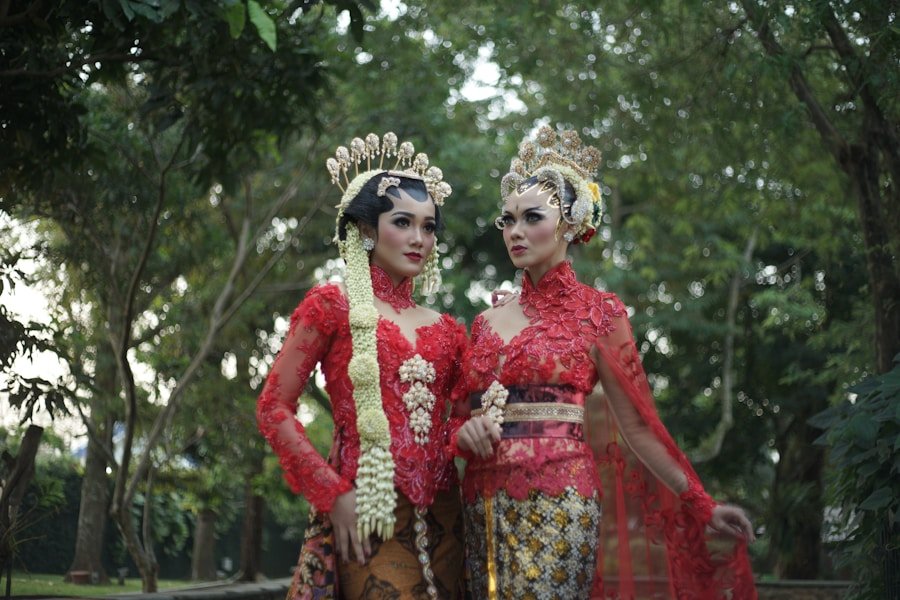
Balinese culture is a vibrant tapestry woven from centuries of history, spirituality, and artistic expression. Nestled in the heart of Indonesia, Bali is not just a tropical paradise; it is a living canvas of traditions that reflect the island’s unique blend of Hindu influences and indigenous practices. The Balinese people are known for their deep spiritual beliefs, which permeate every aspect of their daily lives, from the way they interact with nature to the rituals they perform.
This rich cultural heritage is evident in the island’s art, music, dance, and architecture, making Bali a fascinating destination for travelers and scholars alike. The essence of Balinese culture lies in its communal spirit and the importance placed on harmony with the environment. The island’s inhabitants have cultivated a lifestyle that emphasizes balance, both in their relationships with one another and with the natural world.
” This principle highlights the interconnectedness of humans, nature, and the divine, guiding the Balinese in their daily lives and cultural practices. As we delve deeper into the various facets of Balinese culture, we will uncover the intricate layers that make this island a unique and enchanting place.
Key Takeaways
- Balinese culture is rich in tradition and spirituality, with a strong emphasis on community and family.
- Traditional arts and crafts in Bali include intricate woodcarvings, colorful paintings, and beautiful textiles.
- Balinese rituals and ceremonies are an integral part of daily life, with offerings and prayers being made to the gods and ancestors.
- Balinese cuisine is known for its use of fresh ingredients, aromatic spices, and a balance of flavors, with dishes like Babi Guling and Lawar being popular.
- Traditional Balinese dance and music are expressive forms of storytelling, often performed during religious ceremonies and festivals.
Traditional Balinese Arts and Crafts
The arts and crafts of Bali are a reflection of the island’s rich cultural heritage and spiritual beliefs. From intricate wood carvings to vibrant textiles, each piece tells a story and serves a purpose within the community. Traditional Balinese art is often characterized by its vivid colors, detailed patterns, and symbolic motifs that draw inspiration from nature, mythology, and religious themes.
Wood carving is one of the most celebrated crafts on the island, with artisans skillfully transforming local hardwoods into stunning sculptures, masks, and decorative items that are often used in religious ceremonies. Textile arts also hold a significant place in Balinese culture. Batik and ikat are two traditional dyeing techniques that produce beautiful fabrics adorned with intricate designs.
These textiles are not only used for clothing but also play a vital role in ceremonial attire and offerings. The process of creating these textiles is labor-intensive and requires great skill, often passed down through generations. The vibrant colors and patterns found in Balinese textiles are not merely decorative; they carry deep cultural meanings and are integral to the island’s identity.
Balinese Rituals and Ceremonies
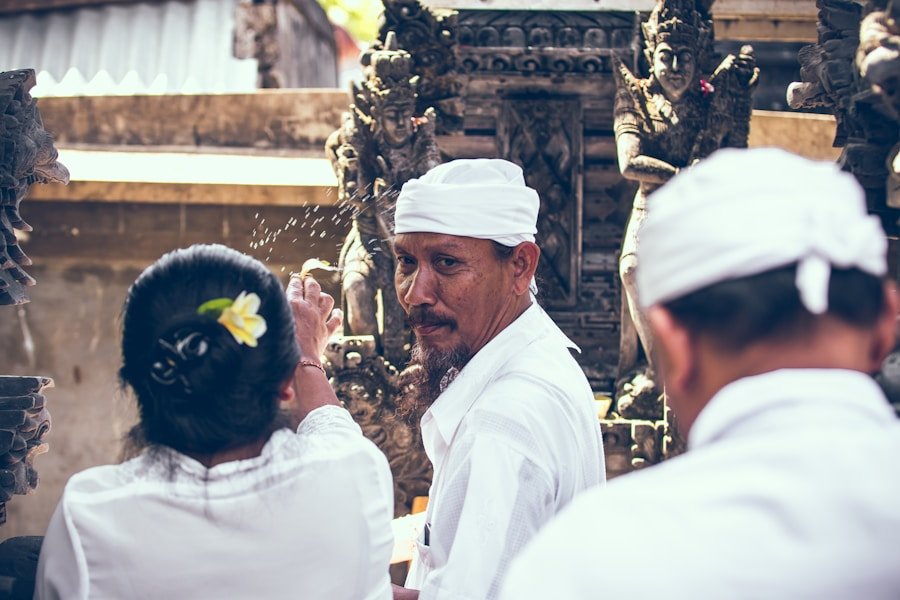
Rituals and ceremonies are at the heart of Balinese culture, serving as expressions of devotion and community cohesion. The Balinese calendar is filled with numerous ceremonies that mark important life events, agricultural cycles, and religious observances. One of the most significant ceremonies is “Nyepi,” or the Day of Silence, which marks the Balinese New Year.
On this day, the island comes to a standstill as residents engage in self-reflection and meditation, refraining from work, travel, and even speaking. The day before Nyepi is marked by vibrant processions featuring colorful ogoh-ogoh (demonic effigies) that are paraded through the streets before being burned to symbolize the cleansing of negative energies. Another important ritual is “Melasti,” which involves a purification ceremony held at the beach or a sacred water source.
During Melasti, participants bring offerings to cleanse themselves spiritually before major religious events. This ceremony highlights the Balinese belief in the importance of maintaining harmony with nature and the divine. The rituals are often accompanied by traditional music and dance, creating a multisensory experience that reinforces community bonds and cultural identity.
Balinese Cuisine and Culinary Traditions
| Aspect | Data/Metric |
|---|---|
| Popular Balinese Dishes | Nasi Goreng, Sate Lilit, Lawar, Babi Guling, Bebek Betutu |
| Key Ingredients | Coconut, lemongrass, turmeric, ginger, shallots, garlic, shrimp paste, palm sugar, chili peppers |
| Culinary Influences | Indian, Chinese, and Javanese cuisines |
| Traditional Cooking Methods | Grilling, steaming, and slow cooking in banana leaves |
| Popular Beverages | Arak, Brem, and Jamu |
Balinese cuisine is a delightful fusion of flavors that reflects the island’s agricultural abundance and cultural diversity. The culinary traditions of Bali are deeply rooted in local ingredients, with rice being a staple food that holds great significance in Balinese culture. Rice is not only a dietary staple but also plays a central role in religious rituals and ceremonies.
The preparation of traditional dishes often involves intricate cooking techniques passed down through generations, showcasing the island’s culinary heritage. One of the most iconic dishes in Balinese cuisine is “Babi Guling,” or roasted suckling pig, which is often served during special occasions and ceremonies. The pig is marinated with a blend of spices, including turmeric, coriander, and lemongrass, before being slow-roasted to perfection.
Other popular dishes include “Nasi Campur,” a mixed rice dish served with various side dishes such as vegetables, meats, and sambal (spicy sauce), as well as “Sate Lilit,” minced meat skewers wrapped around lemongrass sticks. The use of fresh herbs and spices not only enhances the flavors but also reflects the island’s agricultural practices.
Balinese Traditional Dance and Music
Dance and music are integral components of Balinese culture, serving as both artistic expression and spiritual practice. Traditional Balinese dance is characterized by its intricate movements, expressive gestures, and vibrant costumes that often depict stories from Hindu epics such as the Ramayana and Mahabharata. Each dance form has its own unique style and purpose, ranging from sacred temple dances performed during religious ceremonies to more theatrical performances intended for entertainment.
One of the most famous traditional dances is the “Kecak,” also known as the “Ramayana Monkey Chant.” This captivating performance features a large group of men chanting rhythmically while enacting scenes from the Ramayana story. The Kecak dance is not accompanied by musical instruments but relies solely on vocalizations to create an immersive experience for the audience. Another notable dance form is the “Legong,” which showcases graceful movements performed by young girls dressed in elaborate costumes.
These dances not only entertain but also serve as a means of preserving cultural narratives and fostering community identity.
Balinese Architecture and Temples
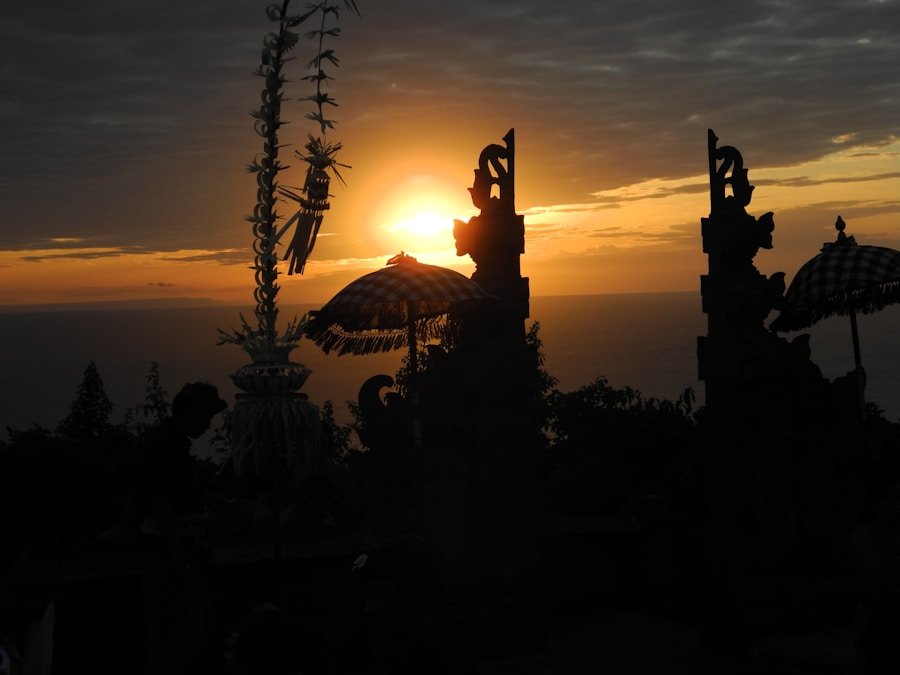
Balinese architecture is renowned for its intricate designs and harmonious integration with nature. Traditional Balinese buildings are constructed using locally sourced materials such as bamboo, wood, stone, and thatch, reflecting a deep respect for the environment. Temples play a central role in Balinese architecture, serving as sacred spaces for worship and community gatherings.
Each temple is designed according to specific principles that emphasize balance and harmony with nature. The layout of a typical Balinese temple follows a triadic structure that represents the three realms: the outer courtyard symbolizes the earthly realm, the middle courtyard represents the human realm, and the innermost sanctuary signifies the divine realm. Temples are adorned with intricate carvings depicting mythological figures, floral motifs, and spiritual symbols that convey deep cultural meanings.
One of Bali’s most iconic temples is “Uluwatu Temple,” perched on a cliff overlooking the ocean, offering breathtaking views while serving as a spiritual haven for locals and visitors alike.
Balinese Festivals and Celebrations
Bali is known for its vibrant festivals that celebrate various aspects of life, spirituality, and community. These festivals are often marked by colorful processions, traditional music, dance performances, and elaborate offerings that showcase the island’s rich cultural heritage. One of the most significant festivals is “Galungan,” which celebrates the victory of dharma (goodness) over adharma (evil).
During this time, families come together to honor their ancestors by making offerings at temples and participating in communal feasts. Another notable celebration is “Kuningan,” which occurs ten days after Galungan and marks the end of this festive period.
The streets come alive with decorations made from bamboo poles adorned with colorful offerings known as “penjor.” These festivals not only strengthen community bonds but also serve as reminders of the importance of spirituality in everyday life.
Preserving and Promoting Balinese Culture
As globalization continues to influence cultures around the world, preserving and promoting Balinese culture has become increasingly important. Efforts are being made by local communities, government organizations, and cultural institutions to safeguard traditional practices while adapting to modern influences. Education plays a crucial role in this endeavor; schools are incorporating lessons on traditional arts, music, dance, and language into their curricula to ensure that younger generations remain connected to their cultural roots.
Tourism also plays a significant role in promoting Balinese culture; however, it comes with challenges that require careful management to prevent cultural commodification. Sustainable tourism initiatives aim to strike a balance between attracting visitors while respecting local traditions and minimizing environmental impact. By fostering cultural exchange through workshops, performances, and community engagement programs, Bali can continue to thrive as a cultural hub while preserving its unique heritage for future generations.
In conclusion, Balinese culture is a rich tapestry woven from history, spirituality, art, cuisine, dance, architecture, festivals, and community values. Its vibrant traditions continue to captivate people from around the world while serving as a testament to the resilience of its people in preserving their identity amidst changing times. As we explore this enchanting island’s cultural landscape, we gain insight into not only its beauty but also its profound connection to nature and spirituality that defines what it means to be Balinese.
If you are interested in learning more about caring for pets, you may want to check out this article on how to set up a sugar glider cage. Sugar gliders are small, adorable creatures that require specific care and housing to thrive. Just like Balinese cats, sugar gliders have unique needs that must be met in order for them to live happy and healthy lives. By following the tips in this article, you can ensure that your sugar glider has a safe and comfortable living environment.
FAQs
What is Balinese culture?
Balinese culture is a unique blend of Hinduism, traditional Balinese beliefs, and local customs. It is characterized by its vibrant arts, including dance, music, and visual arts, as well as its elaborate religious ceremonies and festivals.
What are some traditional Balinese customs and rituals?
Some traditional Balinese customs and rituals include the Galungan and Kuningan festivals, which celebrate the victory of good over evil, as well as various ceremonies to honor ancestors and deities. Balinese people also practice daily offerings and rituals to maintain harmony and balance in their lives.
What are some traditional Balinese arts and crafts?
Traditional Balinese arts and crafts include intricate woodcarvings, colorful paintings, and beautiful textiles such as batik and ikat. Balinese dance and music are also important aspects of the culture, with traditional performances often depicting stories from Hindu epics.
What is Balinese cuisine like?
Balinese cuisine is known for its rich flavors and diverse dishes, often incorporating a variety of spices, herbs, and fresh ingredients. Some popular Balinese dishes include babi guling (suckling pig), bebek betutu (slow-cooked duck), and lawar (a traditional mixed vegetable dish).
What are some popular tourist attractions in Bali?
Some popular tourist attractions in Bali include the ancient temples of Uluwatu and Tanah Lot, the scenic rice terraces of Tegallalang, and the cultural hub of Ubud. Visitors also flock to the beaches of Kuta and Seminyak for surfing and relaxation.