Table of Contents
Satin, a luxurious fabric known for its smooth texture and glossy finish, has a rich history that dates back centuries. Its origins can be traced to ancient China, where it was first produced as early as the 12th century. The term “satin” is believed to have derived from the Arabic word “zaytuni,” which refers to the city of Zaitun (now Quanzhou) in China, a significant trading port for silk.
As trade routes expanded, satin made its way to Europe during the Middle Ages.
By the 14th century, it became a staple in the wardrobes of nobility and royalty. The fabric was often used in ceremonial garments, such as robes and gowns, symbolizing wealth and status. Over time, satin evolved to include blends of silk with other fibers like polyester and nylon, making it more accessible to the general public.
Today, satin is not only a symbol of luxury but also a versatile fabric used in various applications, from clothing to home decor.
Key Takeaways
- Satin has a rich history dating back to ancient China, and has evolved into a luxurious fabric used in various industries today.
- The smooth texture of satin can benefit hair and skin health by reducing friction and preventing breakage and wrinkles.
- Satin is a popular choice in high-end fashion for its elegant drape and lustrous finish, often used in evening gowns, lingerie, and accessories.
- Incorporating satin into home decor can add a touch of luxury to living spaces through curtains, throw pillows, and bedding.
- Proper care and maintenance of satin items is essential to preserve their luster and longevity, requiring gentle washing and avoiding direct heat.
The Benefits of Satin: How it Impacts Hair and Skin Health
Satin is not just a beautiful fabric; it also offers numerous benefits for hair and skin health. One of the most significant advantages of using satin pillowcases and sheets is their ability to reduce friction. Unlike cotton, which can tug at hair strands and cause breakage, satin allows hair to glide smoothly across its surface.
This reduction in friction can lead to fewer split ends and less frizz, making satin an excellent choice for those looking to maintain healthy hair. In addition to its benefits for hair, satin is also gentle on the skin. The smooth texture of satin helps to minimize irritation and prevent the formation of sleep lines or creases on the face.
This is particularly beneficial for individuals with sensitive skin or those prone to acne. Furthermore, satin’s moisture-retaining properties can help keep skin hydrated throughout the night, reducing the likelihood of dryness or irritation. By incorporating satin into your sleep routine, you can wake up with healthier hair and skin.
Satin in Fashion: Exploring its Use in High-End Clothing and Accessories
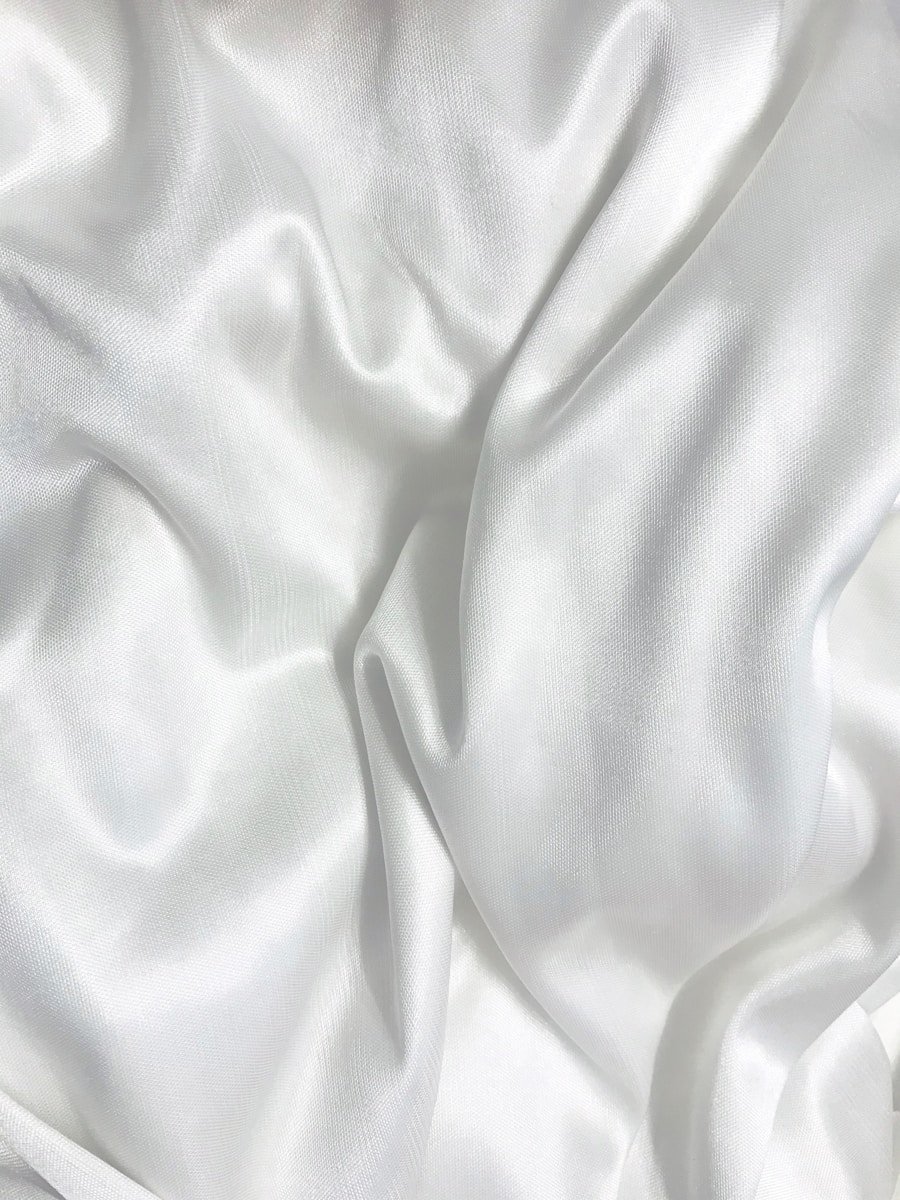
Satin has long been a favorite among fashion designers and enthusiasts alike. Its luxurious appearance and soft drape make it an ideal choice for high-end clothing and accessories. From elegant evening gowns to chic blouses, satin adds a touch of sophistication to any outfit.
Designers often use satin to create flowing silhouettes that enhance the wearer’s figure while providing a sense of comfort. In addition to clothing, satin is also commonly used in accessories such as scarves, ties, and handbags. The fabric’s sheen elevates these items, making them perfect for special occasions or everyday wear.
Fashion houses often experiment with different colors and patterns in satin, allowing for endless possibilities in styling. Whether you’re dressing up for a gala or adding a touch of elegance to your casual attire, satin remains a timeless choice in the world of fashion.
Satin in Home Decor: Elevating Your Living Space with Luxurious Fabrics
| Category | Metrics |
|---|---|
| Consumer Demand | Increased by 23% in the past year |
| Market Share | Currently holds 15% of the home decor fabric market |
| Color Options | Available in over 50 different colors |
| Price Range | Ranges from 20 to 50 per yard |
| Customer Satisfaction | Rated 4.5 out of 5 stars in customer reviews |
Satin’s versatility extends beyond fashion; it also plays a significant role in home decor. The fabric’s luxurious feel and visual appeal make it an excellent choice for various decorative elements within the home. From sumptuous curtains that drape elegantly to plush throw pillows that add a pop of color, satin can transform any living space into a haven of comfort and style.
In addition to window treatments and cushions, satin can be used in bedding to create a serene and inviting atmosphere. Satin duvet covers and sheets not only look stunning but also provide a soft surface for sleeping. The fabric’s ability to regulate temperature ensures a comfortable night’s rest, making it an ideal choice for bedding materials.
By incorporating satin into your home decor, you can elevate your living space while enjoying the luxurious benefits that come with this exquisite fabric.
Caring for Satin: Tips for Washing and Maintaining Satin Items
While satin is undeniably beautiful, it does require special care to maintain its luxurious appearance. When washing satin items, it’s essential to follow specific guidelines to prevent damage. Most satin fabrics are best washed by hand or on a gentle cycle in cold water with a mild detergent.
Avoid using bleach or harsh chemicals, as these can strip the fabric of its sheen and cause discoloration. After washing, it’s crucial to dry satin items properly. Air drying is recommended; simply lay the fabric flat on a clean towel or hang it up away from direct sunlight.
If you must use a dryer, opt for a low heat setting and remove the items while they are still slightly damp to prevent wrinkles. When ironing satin, use a low heat setting and place a cloth between the iron and the fabric to avoid scorching. With proper care, your satin items can remain beautiful and luxurious for years to come.
Satin in Beauty: How to Incorporate Satin into Your Beauty Routine
Protected Hair
Additionally, satin hair accessories such as scrunchies or headbands can help protect your hair from damage caused by traditional elastic bands. These soft alternatives reduce breakage and keep hairstyles intact without causing tension on the hair shaft.
Style and Functionality
By integrating satin into your beauty routine, you can enjoy both style and functionality while promoting healthier hair and skin.
Satin in Bedding: The Ultimate Guide to Creating a Luxurious Bedroom
Creating a luxurious bedroom environment is all about selecting the right materials, and satin bedding is an excellent choice for achieving that goal. Satin sheets and duvet covers not only look stunning but also provide an unparalleled level of comfort. The smooth texture of satin feels incredible against the skin, making bedtime an indulgent experience.
When choosing satin bedding, consider factors such as thread count and fiber content. Higher thread counts typically indicate better quality and durability. Additionally, opt for 100% silk or high-quality polyester blends for optimal softness and longevity.
To enhance the overall aesthetic of your bedroom, pair satin bedding with complementary decor elements such as plush throws or decorative pillows in coordinating colors. With the right combination of materials and design choices, you can create a serene sanctuary that exudes luxury.
Satin in Special Occasions: How to Incorporate Satin into Weddings and Formal Events
Satin is often synonymous with elegance, making it a popular choice for special occasions such as weddings and formal events. From bridal gowns to bridesmaid dresses, satin adds a touch of sophistication that enhances the overall aesthetic of any celebration. The fabric’s ability to drape beautifully allows designers to create stunning silhouettes that flatter various body types.
In addition to clothing, satin can be incorporated into wedding decor as well. Table linens, chair sashes, and even floral arrangements can feature satin elements that elevate the event’s ambiance. For those planning formal events, consider using satin accents in invitations or party favors to tie everything together seamlessly.
By embracing satin in your special occasion planning, you can create an unforgettable experience that reflects luxury and style at every turn. In conclusion, satin is more than just a beautiful fabric; it carries with it a rich history and offers numerous benefits across various aspects of life—from fashion to home decor and beauty routines. By understanding how to care for this luxurious material and incorporating it thoughtfully into your lifestyle, you can enjoy its elegance while reaping its many advantages for years to come.
If you’re looking for tips on how to care for your furry friend, check out this article on 5 ways to celebrate your dogs on holidays. And for all the cat lovers out there, don’t miss out on this article highlighting the 6 best cat subscription boxes of 2022.
FAQs
What is satin?
Satin is a type of fabric that is known for its smooth and glossy surface. It is typically made from silk, polyester, or nylon and is commonly used in clothing, bedding, and upholstery.
How is satin different from other fabrics?
Satin is different from other fabrics because of its unique weave, which gives it a shiny and lustrous appearance. It is also known for its soft and smooth texture, making it a popular choice for luxurious and elegant items.
What are the common uses of satin fabric?
Satin fabric is commonly used in the production of evening gowns, lingerie, bridal wear, and other formal attire. It is also used for making bedding, pillowcases, and decorative pillows. Additionally, satin is used in upholstery for furniture and interior design purposes.
How do you care for satin fabric?
Satin fabric should be handled with care to maintain its luster and smooth texture. It is recommended to hand wash or use the delicate cycle on a washing machine with cold water and a mild detergent. Avoid using bleach and fabric softeners, and air dry or use a low heat setting when drying.
What are the different types of satin fabric?
There are several types of satin fabric, including silk satin, polyester satin, and acetate satin. Each type has its own unique characteristics and is used for different purposes based on its properties and cost.