Table of Contents
The Great Dane, often referred to as the “Apollo of dogs,” boasts a rich history that dates back thousands of years. This majestic breed is believed to have originated in ancient Mesopotamia, where large dogs were used for hunting and guarding.
Over time, these dogs made their way to Europe, where they were refined and developed into the breed we recognize today. In Germany, the Great Dane was further cultivated for its impressive stature and noble appearance. The breed was initially known as the “Deutsche Dogge,” which translates to “German Mastiff.” These dogs were primarily used for hunting large game, such as wild boar, and served as protectors of estates.
Their regal presence and gentle demeanor eventually led to their popularity as companion animals among nobility. By the 19th century, the breed had gained recognition in dog shows, solidifying its status as a beloved family pet. Sure, here is the sentence with the link:
I love to learn about pet care on Pawwise.
Key Takeaways
- Great Danes originated in Germany, where they were used for hunting wild boar and guarding estates.
- They are known for their large size, with males standing at least 30 inches tall and weighing between 140-175 pounds.
- Great Danes are gentle giants, known for their friendly and affectionate nature, making them great family pets.
- Grooming for Great Danes is relatively easy, requiring regular brushing and occasional baths to keep their coat clean and healthy.
- Great Danes are prone to certain health issues such as bloat, hip dysplasia, and heart problems, with a lifespan of 7-10 years on average.
Physical Characteristics and Size of the Great Dane
Physical Characteristics
Males typically stand between 30 to 34 inches at the shoulder, while females range from 28 to 32 inches. They weigh anywhere from 110 to 175 pounds, making them not only tall but also possessing a muscular frame that exudes strength and grace.
Appearance
In terms of appearance, Great Danes have a distinctive look characterized by their long necks, broad heads, and expressive eyes. Their coat is short and smooth, coming in a variety of colors including fawn, brindle, blue, black, harlequin (white with irregular black patches), and mantle (black with white markings).
Personality
Despite their size, Great Danes are known for their gentle demeanor and affectionate nature, which often surprises those who encounter them for the first time.
Temperament and Personality Traits of the Great Dane
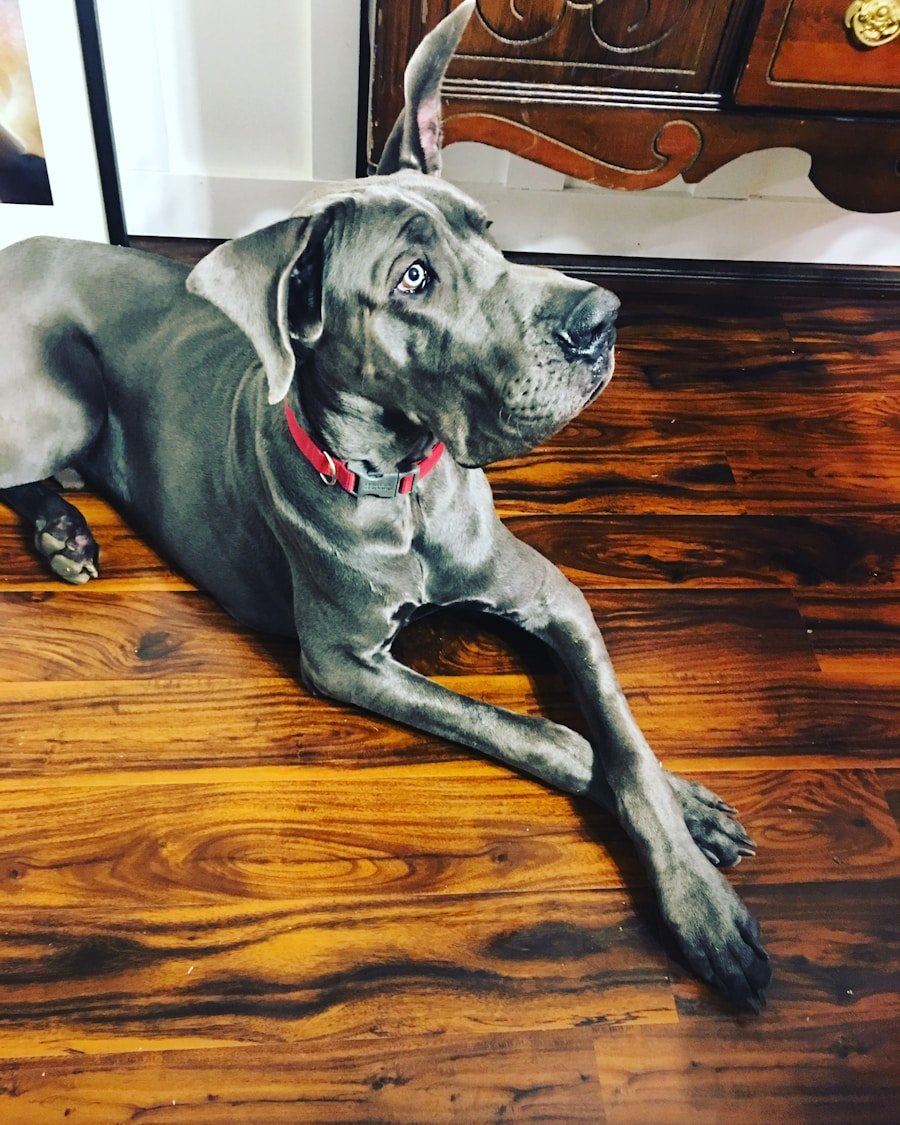
Great Danes are often described as gentle giants due to their friendly and affectionate nature. They are known for being good-natured and sociable, making them excellent companions for families and individuals alike. Despite their imposing size, they tend to be quite gentle with children and other pets, displaying a calm demeanor that belies their strength.
This breed thrives on human interaction and is known to form strong bonds with their families. While Great Danes are generally friendly, they can also be protective of their loved ones. They possess a natural instinct to guard their home and family, making them effective watchdogs.
However, they are not aggressive by nature; rather, they are more likely to greet strangers with curiosity than hostility. Their playful spirit and love for companionship make them a joy to have around, as they often seek out attention and affection from their owners.
Grooming and Care for the Great Dane
| Grooming and Care for the Great Dane | |
|---|---|
| Coat Type | Short and smooth |
| Grooming Needs | Regular brushing to minimize shedding |
| Bathing Frequency | Every 6-8 weeks |
| Nail Trimming | Monthly |
| Ear Cleaning | Weekly |
| Teeth Cleaning | Regular brushing and dental chews |
Caring for a Great Dane involves several important aspects, including grooming, diet, and housing. Fortunately, their short coat requires minimal grooming compared to other breeds. Regular brushing helps to remove loose hair and keep their coat healthy.
Bathing should be done as needed, but excessive bathing can strip their coat of natural oils. Additionally, regular dental care is essential to maintain their oral health. When it comes to diet, Great Danes require high-quality dog food that meets their nutritional needs.
Due to their size, it’s crucial to monitor their weight and avoid overfeeding, as obesity can lead to various health issues. Feeding them smaller meals throughout the day rather than one large meal can help prevent bloat—a serious condition that can affect deep-chested breeds like the Great Dane. Providing fresh water at all times is also essential for their overall health.
Health Issues and Lifespan of the Great Dane
Like many large breeds, Great Danes are prone to certain health issues that potential owners should be aware of. One of the most significant concerns is bloat or gastric torsion, a life-threatening condition that can occur when the stomach fills with gas and twists on itself. Symptoms include restlessness, drooling, and a distended abdomen.
Immediate veterinary attention is crucial if bloat is suspected. Other common health issues in Great Danes include hip dysplasia, heart problems such as dilated cardiomyopathy, and certain types of cancer. Regular veterinary check-ups are essential for early detection and management of these conditions.
The average lifespan of a Great Dane is around 7 to 10 years, which is relatively short compared to smaller breeds. Providing proper care, nutrition, and regular exercise can help improve their quality of life during these years.
Training and Exercise Needs of the Great Dane
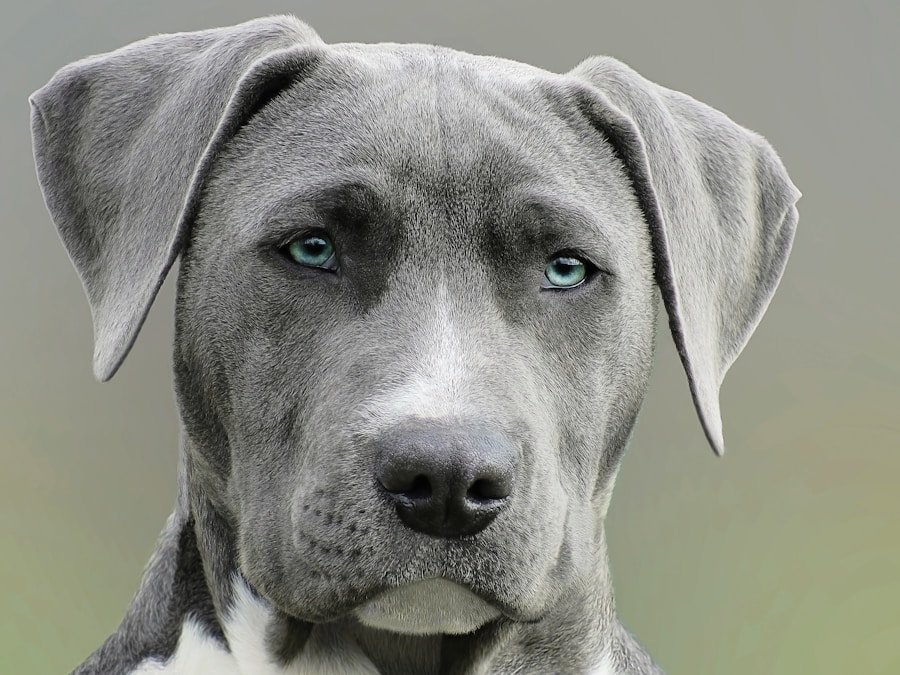
Training a Great Dane requires consistency, patience, and positive reinforcement techniques. Due to their size and strength, it’s essential to establish good manners early on. Socialization is also crucial; exposing them to various environments, people, and other animals will help them develop into well-rounded adults.
Basic obedience training should begin as soon as possible to ensure they understand commands like sit, stay, and come. In terms of exercise needs, Great Danes require regular physical activity to maintain their health and prevent boredom. Daily walks are essential, along with playtime in a secure area where they can run and explore.
While they enjoy outdoor activities, it’s important not to overexert them due to their susceptibility to joint issues. Engaging in low-impact activities like swimming can be beneficial for their overall fitness without putting too much strain on their bodies.
Great Dane as a Family Pet and Companion
Great Danes make excellent family pets due to their gentle nature and affectionate disposition. They are known for being patient with children and often form strong bonds with them. Their playful spirit makes them great companions for kids who enjoy outdoor activities or games in the yard.
Additionally, their protective instincts provide an added layer of security for families. However, potential owners should consider the space requirements associated with having a Great Dane in the home. Their large size means they need ample room to move around comfortably.
A house with a yard is ideal; however, apartment living can work if they receive sufficient exercise outside. Overall, Great Danes thrive in loving environments where they can be part of family activities.
Famous Great Danes in History and Pop Culture
Throughout history and pop culture, Great Danes have made memorable appearances that showcase their charm and appeal. One of the most famous fictional Great Danes is Scooby-Doo from the beloved animated series “Scooby-Doo.” This iconic character has captured the hearts of audiences since his debut in 1969, embodying the playful yet loyal nature of the breed. In addition to fictional characters, real-life Great Danes have also made headlines.
One notable example is Zeus, who was recognized by the Guinness World Records as the tallest dog ever recorded at an astonishing 44 inches tall at the shoulder! His remarkable height exemplifies the breed’s impressive stature while also highlighting their gentle temperament. In conclusion, the Great Dane is a remarkable breed that combines elegance with a loving personality.
Their rich history, striking appearance, and gentle nature make them beloved companions for families and individuals alike. With proper care and training, these gentle giants can bring joy and companionship into any home while leaving a lasting impression on everyone they meet.
If you are a pet owner concerned about the well-being of your furry friend, you may also be interested in understanding pet insurance and whether it’s worth it. Check out this informative article on pet insurance to learn more about how it can help you provide the best care for your beloved Great Dane.
FAQs
What is a Great Dane?
Great Dane is a breed of dog known for its large size and gentle nature. They are often referred to as “gentle giants” due to their friendly and affectionate temperament.
What is the average size of a Great Dane?
Great Danes are one of the largest dog breeds, with males typically standing at least 30 inches tall at the shoulder and weighing between 140-175 pounds. Females are slightly smaller, standing at least 28 inches tall and weighing between 110-140 pounds.
What is the life expectancy of a Great Dane?
The average lifespan of a Great Dane is around 7-10 years. However, with proper care and regular veterinary check-ups, some Great Danes can live up to 12 years or more.
What are the common health issues in Great Danes?
Great Danes are prone to certain health issues, including bloat, hip dysplasia, heart disease, and certain types of cancer. It’s important for Great Dane owners to be aware of these potential health concerns and to provide proper veterinary care.
Are Great Danes good family pets?
Great Danes are known for their gentle and affectionate nature, making them excellent family pets. They are typically good with children and other pets, although their large size means they should be supervised around small children to prevent accidental knocking over or injury.
Do Great Danes require a lot of exercise?
Despite their large size, Great Danes are relatively low-energy dogs and do not require excessive amounts of exercise. However, they do benefit from regular walks and playtime to keep them mentally and physically stimulated.