Table of Contents
Finches are small, colorful birds that belong to the family Fringillidae, which encompasses a wide variety of species known for their vibrant plumage and melodious songs. These delightful creatures are found across the globe, from the lush rainforests of South America to the arid deserts of Africa. Their adaptability to different environments and their charming personalities have made them popular pets among bird enthusiasts.
With over 200 species of finches, each exhibiting unique characteristics, it’s no wonder that they have captured the hearts of many. The history of finches is as diverse as the birds themselves. They have been admired and studied for centuries, with their presence documented in ancient texts and folklore.
Charles Darwin famously studied finches in the Galápagos Islands, noting how their beak shapes varied according to their feeding habits and the specific environments they inhabited. This observation played a crucial role in the development of his theory of evolution by natural selection. Today, finches continue to be a subject of fascination for ornithologists and bird lovers alike, showcasing the beauty and complexity of avian life.
Key Takeaways
- Finches are fascinating birds with a wide variety of species, each with unique characteristics and behaviors.
- Understanding finch behavior and communication is essential for providing proper care and creating a healthy environment for them.
- A balanced diet and proper nutrition are crucial for the health and well-being of finches.
- Creating a suitable housing and environment is important for the physical and mental well-being of finches.
- Understanding the breeding and reproduction process of finches is important for those interested in breeding them.
Understanding Finch Behavior and Communication
Social Structure in the Wild
In the wild, finches often form flocks, which provide safety in numbers and opportunities for social bonding.
Communication in Captivity
This behavior translates well into captivity, where they can be kept in pairs or small groups to ensure they remain happy and engaged. Communication among finches is primarily vocal, with each species possessing its own unique set of calls and songs. These vocalizations serve various purposes, from attracting mates to establishing territory or signaling alarm.
Understanding these vocal cues can help owners better interpret their finch’s needs and emotions, fostering a deeper bond between bird and human.
Finch Diet and Nutrition
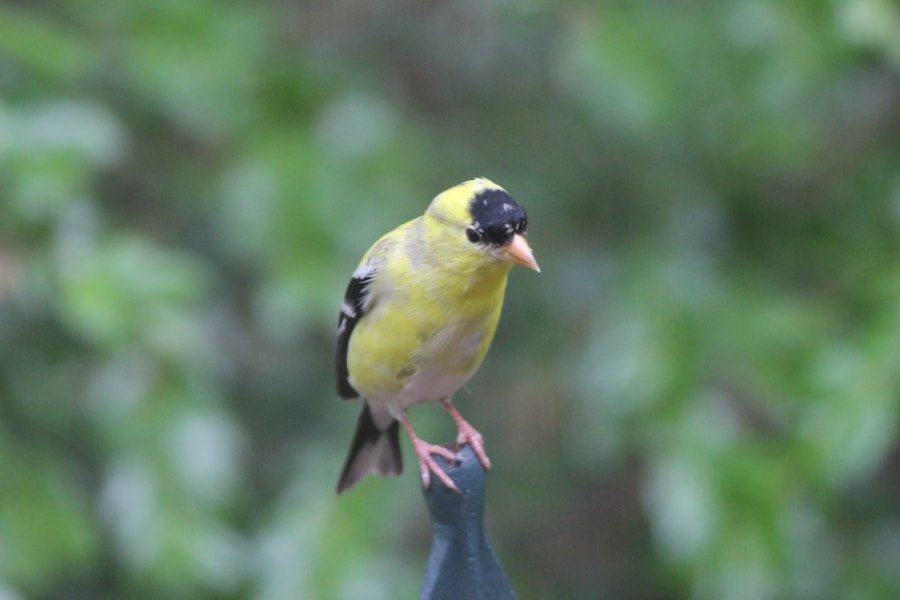
A well-balanced diet is essential for the health and well-being of finches. In the wild, these birds primarily feed on seeds, fruits, and insects, which provide them with the necessary nutrients to thrive. When kept as pets, it’s crucial to replicate this natural diet as closely as possible.
High-quality seed mixes specifically formulated for finches are widely available and should form the basis of their diet. These mixes typically include a variety of seeds such as millet, canary seed, and sunflower seeds. In addition to seeds, fresh fruits and vegetables should be offered regularly to provide essential vitamins and minerals.
Finches enjoy a range of produce, including leafy greens like kale and spinach, as well as fruits such as apples, berries, and bananas. It’s important to wash all fruits and vegetables thoroughly to remove any pesticides or chemicals before offering them to your finch. Additionally, providing a source of calcium, such as cuttlebone or mineral blocks, can help support their overall health.
Finch Housing and Environment
| Category | Metric |
|---|---|
| Housing | Number of available nests |
| Housing | Percentage of occupied nests |
| Environment | Temperature range (in Celsius) |
| Environment | Humidity level (in percentage) |
Creating a suitable living environment for your finch is vital for its happiness and well-being. A spacious cage is essential, allowing your bird enough room to fly and explore. The cage should be at least 24 inches long, 18 inches wide, and 18 inches high for a pair of finches.
Horizontal bars are preferable as they encourage climbing and movement.
In addition to space, enriching your finch’s habitat with toys and accessories can help stimulate their natural behaviors.
Items such as swings, ladders, and foraging toys can keep your finch entertained and mentally stimulated. Regular cleaning of the cage is crucial to prevent the buildup of waste and bacteria; therefore, it’s advisable to clean the cage at least once a week. Providing a safe and comfortable environment will ensure your finch remains healthy and happy.
Breeding and Reproduction of Finches
Breeding finches can be a rewarding experience for bird enthusiasts who are prepared for the responsibilities that come with it. Most finch species are monogamous and will form strong pair bonds during courtship. The breeding season typically occurs in spring or early summer when conditions are favorable for raising young.
To encourage breeding behavior, it’s essential to provide a suitable nesting area within their cage. Finches will often build nests using soft materials such as grass, feathers, or paper strips. Once the female lays her eggs—usually between three to six—she will incubate them for about two weeks before they hatch.
After hatching, both parents play a role in feeding the chicks until they fledge at around three weeks old. It’s important for breeders to monitor the health of both the parents and the chicks during this time to ensure a successful rearing process.
Common Health Issues in Finches
Obesity: A Common Concern
One common concern is obesity, which can arise from an imbalanced diet or lack of exercise. To prevent obesity, it’s essential to monitor your finch’s weight regularly and ensure they have ample opportunities for physical activity within their cage.
Respiratory Infections: A Potential Threat
Another health issue that can affect finches is respiratory infections, often caused by poor air quality or exposure to drafts. Signs of respiratory distress may include wheezing, coughing, or difficulty breathing. If you notice any of these symptoms in your finch, it’s crucial to consult an avian veterinarian promptly for diagnosis and treatment.
Regular Check-Ups: The Key to Prevention
Regular check-ups can help catch potential health issues early on.
Training and Taming Your Finch
Training a finch can be a delightful endeavor that strengthens the bond between bird and owner. While finches may not be as easily trainable as some larger parrot species, they can still learn basic behaviors through positive reinforcement techniques. Start by spending time near their cage to help them become accustomed to your presence; this will build trust over time.
Once your finch feels comfortable with you nearby, you can begin introducing simple commands or tricks using treats as rewards. For example, you might encourage your finch to step onto your finger or perch by offering a favorite treat when they comply. Patience is key during this process; some finches may take longer than others to respond positively to training efforts.
Tips for Bonding with Your Finch
Building a strong bond with your finch requires time, patience, and understanding of their unique behaviors. One effective way to bond is through daily interaction; spend time talking softly to your bird while offering treats or toys. This not only helps your finch associate you with positive experiences but also allows you to observe their personality more closely.
Another great bonding activity is providing opportunities for supervised out-of-cage time in a safe environment. Allowing your finch to explore outside its cage can foster trust and encourage curiosity about you as their companion. Always ensure that the area is free from hazards such as open windows or other pets that may pose a threat.
With consistent effort and care, you’ll find that your relationship with your finch deepens over time. In conclusion, finches are captivating creatures that bring joy and companionship into our lives. By understanding their behavior, providing proper care, and fostering a strong bond through interaction, you can create a fulfilling life for both you and your feathered friend.
Whether you’re an experienced bird owner or considering adding a finch to your family for the first time, these delightful birds are sure to enrich your life with their beauty and charm.
If you’re interested in learning more about caring for your dog, you may want to check out this article on understanding Labrador Retriever behavior and care. It provides valuable insights into the unique characteristics and needs of this popular breed. Understanding your dog’s behavior is essential for providing the best care possible.
FAQs
What is a Finch?
A Finch is a small bird belonging to the family Fringillidae. They are known for their colorful plumage and cheerful songs.
Where are Finches found?
Finches are found in various habitats around the world, including forests, grasslands, and urban areas. They are most commonly found in the Northern Hemisphere.
What do Finches eat?
Finches primarily feed on seeds, fruits, and insects. Their diet may vary depending on the species and their habitat.
What are the different species of Finches?
There are over 100 species of Finches, including the House Finch, Goldfinch, and Purple Finch. Each species has its own unique characteristics and behaviors.
Are Finches kept as pets?
Yes, some species of Finches are kept as pets due to their colorful plumage and melodious songs. However, it is important to ensure that they are kept in appropriate conditions and provided with proper care.
How do Finches communicate?
Finches communicate through a variety of vocalizations, including songs and calls. These vocalizations are used for attracting mates, defending territory, and warning of potential threats.