

Table of Contents
Creating a suitable housing environment for your hamster is crucial for their well-being and happiness. Hamsters are naturally burrowing animals, so their habitat should mimic their natural environment as closely as possible. A spacious cage with multiple levels, tunnels, and hiding spots will provide them with the stimulation they need.
Wire cages with solid bottoms or glass aquariums are popular choices, as they allow for good ventilation while keeping your pet secure. The minimum recommended size for a hamster cage is 24 inches long by 12 inches wide, but larger is always better. In addition to the size of the cage, the bedding material is also important.
Avoid cedar or pine shavings, as they can be harmful to hamsters’ respiratory systems. Instead, opt for paper-based bedding or aspen shavings, which are safe and absorbent. Ensure that the cage is placed in a quiet area away from direct sunlight and drafts, as hamsters are sensitive to temperature changes.
Regular cleaning of the habitat is essential to prevent odors and maintain a healthy environment. Spot clean daily and perform a thorough cleaning weekly to keep your hamster happy and healthy. About Pawwise is a website where you can find helpful information about pet care and training.
Key Takeaways
- Providing a spacious and comfortable living environment is essential for the well-being of your pet.
- A balanced and nutritious diet is crucial for maintaining your pet’s health and vitality.
- Regular exercise and mental stimulation are important for keeping your pet physically and mentally fit.
- Regular grooming and hygiene practices are necessary to keep your pet clean and healthy.
- Regular veterinary check-ups and vaccinations are important for maintaining your pet’s overall health and wellness.
Diet and Nutrition
Nutrient-Rich Pellets
Commercial hamster pellets offer a formulated blend of essential nutrients, making them a convenient option for pet owners. When selecting pellets, look for high-quality options that contain a mix of grains, seeds, and protein sources.
Fresh Fruits and Vegetables as Treats
In addition to pellets, fresh produce can be offered as treats. Some safe options include carrots, broccoli, apples, and cucumbers. However, it’s essential to introduce new foods gradually to avoid digestive upset.
Avoiding Unhealthy Treats and Ensuring Hydration
Avoid sugary or fatty treats, as they can lead to obesity and other health issues. Fresh water should always be available in a clean water bottle or bowl, and it should be changed daily to ensure your hamster stays hydrated.
Exercise and Enrichment
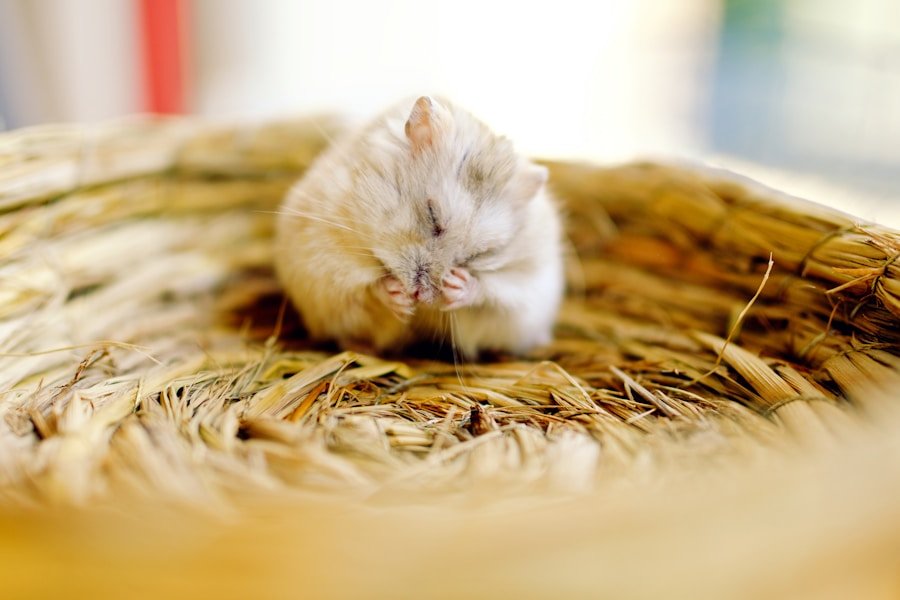
Hamsters are active creatures that require plenty of exercise to stay healthy and happy. In the wild, they can run several miles each night in search of food and shelter. To replicate this natural behavior in captivity, provide your hamster with a solid-bottom exercise wheel that is appropriately sized for their breed.
A wheel with a diameter of at least 8 inches is ideal for dwarf hamsters, while larger breeds like Syrian hamsters may require a wheel that is 12 inches or more. In addition to a wheel, consider adding tunnels, climbing structures, and toys to your hamster’s habitat. These items not only provide physical exercise but also mental stimulation.
Hamsters enjoy exploring their environment, so rotating toys and introducing new items can keep them engaged. Supervised playtime outside of their cage in a safe area can also be beneficial for their physical health and socialization.
Grooming and Hygiene
| Category | Metrics |
|---|---|
| Grooming | Percentage of people who groom daily |
| Hygiene | Number of times people wash their hands per day |
| Grooming | Percentage of people who brush their teeth twice a day |
| Hygiene | Percentage of people who shower daily |
While hamsters are generally low-maintenance pets when it comes to grooming, they do require some attention to their hygiene needs. Regularly checking your hamster’s fur for mats or debris is important, especially for long-haired breeds like the Syrian hamster. If you notice any tangles, gently comb them out using a small pet brush designed for small animals.
Bathing hamsters in water is not recommended, as it can strip their fur of natural oils and lead to stress. Maintaining a clean living environment is also part of your hamster’s grooming routine. As mentioned earlier, spot cleaning daily and performing a thorough cleaning weekly will help keep odors at bay and prevent the buildup of harmful bacteria.
Additionally, check your hamster’s nails regularly; if they become too long, you may need to trim them carefully using small animal nail clippers.
Health and Wellness
Keeping an eye on your hamster’s health is essential for ensuring they live a long and happy life. Regular veterinary check-ups are recommended, especially if you notice any changes in behavior or appetite. Common health issues in hamsters include wet tail (a serious gastrointestinal condition), respiratory infections, and dental problems due to overgrown teeth.
Familiarize yourself with the signs of illness in hamsters so you can act quickly if needed. Preventative care is also important for maintaining your hamster’s health. Providing a balanced diet, ensuring proper hydration, and maintaining a clean living environment will go a long way in preventing health issues.
Additionally, be mindful of your hamster’s stress levels; sudden changes in their environment or routine can lead to anxiety and health problems.
Handling and Socialization
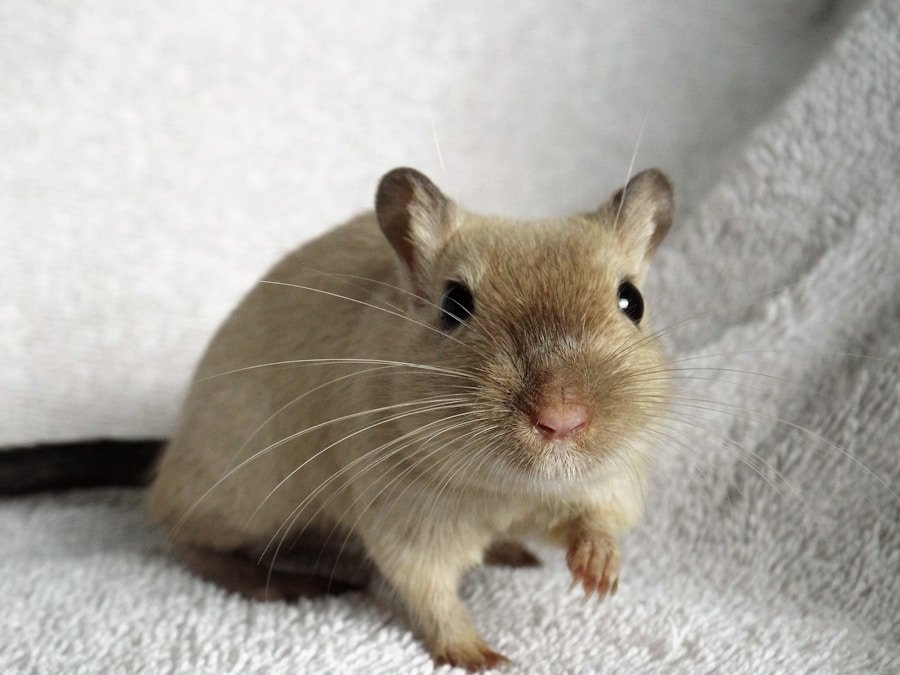
Gentle Handling from an Early Age
While some hamsters may be more naturally inclined to enjoy human interaction than others, gentle handling from an early age can help them become more comfortable with being held. Always approach your hamster slowly and calmly to avoid startling them.
Picking Up Your Hamster
When picking up your hamster, scoop them up gently with both hands or allow them to climb onto your palm. It’s important to remember that not all hamsters enjoy being handled extensively; some may prefer to observe from their cage rather than being taken out frequently.
Regular interaction will help them become accustomed to human presence, but always respect their boundaries.
Breeding and Reproduction
Breeding hamsters can be a rewarding experience but requires careful consideration and preparation. Before deciding to breed your hamsters, it’s essential to research the specific breed’s characteristics and potential health issues that may arise during breeding. Hamsters have a relatively short gestation period of about 16-18 days, after which the female will give birth to a litter of pups that can range from 4 to 12 babies.
If you choose to breed hamsters, ensure that both parents are healthy and free from genetic disorders. It’s also crucial to separate males from females after mating to prevent further breeding until you are ready for another litter. Once the pups are born, they should remain with their mother until they are weaned at around three weeks old.
After weaning, you can begin finding suitable homes for the young hamsters.
Common Behavioral Traits and Characteristics
Hamsters exhibit a variety of behavioral traits that make them unique pets. One of the most notable characteristics is their nocturnal nature; hamsters are most active during the night when they feel safe from predators in the wild. This means that they may be more playful and energetic during evening hours while sleeping during the day.
Another common trait among hamsters is their instinctive need to burrow and hoard food. In captivity, you may notice your hamster digging through bedding or storing treats in hidden corners of their cage. This behavior is entirely normal and reflects their natural instincts.
Additionally, hamsters are known for their curious nature; they love exploring new environments and investigating new objects in their habitat. In conclusion, owning a hamster can be an incredibly rewarding experience when you understand their needs and behaviors. By providing proper housing, nutrition, exercise, grooming, health care, socialization opportunities, and understanding their breeding habits, you can ensure that your furry friend lives a happy and fulfilling life.
With patience and love, you will create a strong bond with your hamster that will bring joy to both of you for years to come!

; border: none; border-radius: 5px; box-shadow: rgb(204, 74, 16) 0px 2px 0px; cursor: pointer; transition: 0.1s; display: block; margin: 0px auto; max-width: 150px; text-align: center; text-decoration: none;">Contact Us</a></p><p></p><h2><span class="penci-toc-section" id="penci-FAQs"></span>FAQs<span class="penci-toc-section-end"></span></h2><p></p><h3><span class="penci-toc-section" id="penci-What_is_a_Dwarf_Winter_White_Russian_Hamster"></span>What is a Dwarf Winter White Russian Hamster?<span class="penci-toc-section-end"></span></h3><p>A Dwarf Winter White Russian Hamster, also known as a Siberian Hamster, is a small species of hamster that is native to the grasslands and deserts of Kazakhstan, Siberia, and Mongolia.</p><h3><span class="penci-toc-section" id="penci-What_is_the_size_and_lifespan_of_a_Dwarf_Winter_White_Russian_Hamster"></span>What is the size and lifespan of a Dwarf Winter White Russian Hamster?<span class="penci-toc-section-end"></span></h3><p>Dwarf Winter White Russian Hamsters are typically 3 to 4 inches in length and have a lifespan of 1.5 to 2 years in captivity.</p><h3><span class="penci-toc-section" id="penci-What_do_Dwarf_Winter_White_Russian_Hamsters_eat"></span>What do Dwarf Winter White Russian Hamsters eat?<span class="penci-toc-section-end"></span></h3><p>Dwarf Winter White Russian Hamsters are omnivores and their diet consists of a variety of seeds, grains, fruits, and vegetables. They also require a source of protein, such as insects or small amounts of cooked meat.</p><h3><span class="penci-toc-section" id="penci-What_kind_of_habitat_do_Dwarf_Winter_White_Russian_Hamsters_need"></span>What kind of habitat do Dwarf Winter White Russian Hamsters need?<span class="penci-toc-section-end"></span></h3><p>Dwarf Winter White Russian Hamsters require a spacious cage with plenty of bedding for burrowing, as well as a wheel for exercise. They also need a hiding place and chew toys to keep their teeth healthy.</p><h3><span class="penci-toc-section" id="penci-Are_Dwarf_Winter_White_Russian_Hamsters_good_pets"></span>Are Dwarf Winter White Russian Hamsters good pets?<span class="penci-toc-section-end"></span></h3><p>Dwarf Winter White Russian Hamsters can make good pets for responsible owners who are willing to provide them with proper care, attention, and a suitable environment. They are generally friendly and can be tamed with gentle handling.</p><div class="penci-single-link-pages"></div></div></div><div class="tags-share-box single-post-share tags-share-box-n4 pcnew-share social-align-default disable-btnplus tags-share-box-s2 show-txt rounder post-share">
<span class="penci-social-share-text"><i class="penciicon-sharing"></i>Share</span>
<span class="post-share-item post-share-plike">
<span class="count-number-like">0</span><a href="#" aria-label="Like this post" class="penci-post-like single-like-button" data-post_id="1775" title="Like" data-like="Like" data-unlike="Unlike"><i class="penci-faicon fa fa-heart-o" ></i></a> </span>
<a class="new-ver-share post-share-item post-share-facebook" aria-label="Share on Facebook" target="_blank" rel="noreferrer" href="https://www.facebook.com/sharer/sharer.php?u=https://thepawwise.com/dwarf-winter-white-russian-hamster-care-guide/"><i class="penci-faicon fa fa-facebook" ></i><span class="dt-share">Facebook</span></a><a class="new-ver-share post-share-item post-share-twitter" aria-label="Share on Twitter" target="_blank" rel="noreferrer" href="https://x.com/intent/tweet?text=Check%20out%20this%20article:%20Dwarf%20Winter%20White%20Russian%20Hamster%20Care%20Guide%20-%20https://thepawwise.com/dwarf-winter-white-russian-hamster-care-guide/"><i class="penci-faicon penciicon-x-twitter" ></i><span class="dt-share">Twitter</span></a><a class="new-ver-share post-share-item post-share-pinterest" aria-label="Pin to Pinterest" data-pin-do="none" rel="noreferrer" target="_blank" href="https://www.pinterest.com/pin/create/button/?url=https%3A%2F%2Fthepawwise.com%2Fdwarf-winter-white-russian-hamster-care-guide%2F&media=https%3A%2F%2Fthepawwise.com%2Fwp-content%2Fuploads%2F2025%2F05%2Fimage-126.jpg&description=Dwarf+Winter+White+Russian+Hamster+Care+Guide"><i class="penci-faicon fa fa-pinterest" ></i><span class="dt-share">Pinterest</span></a><a class="new-ver-share post-share-item post-share-item-hf post-share-threads" aria-label="Share on Threads" target="_blank" rel="noreferrer" href="https://threads.net/intent/post?text=Dwarf%20Winter%20White%20Russian%20Hamster%20Care%20Guide&url=https%3A%2F%2Fthepawwise.com%2Fdwarf-winter-white-russian-hamster-care-guide%2F"><i class="penci-faicon penciicon-threads" ></i><span class="dt-share">Threads</span></a><a class="new-ver-share post-share-item post-share-item-hf post-share-bluesky" aria-label="Share on Bluesky" target="_blank" rel="noreferrer" href="https://bsky.app/intent/compose?text=Dwarf%20Winter%20White%20Russian%20Hamster%20Care%20Guide%20https%3A%2F%2Fthepawwise.com%2Fdwarf-winter-white-russian-hamster-care-guide%2F"><i class="penci-faicon penciicon-butterfly" ></i><span class="dt-share">Bluesky</span></a><a class="new-ver-share post-share-item post-share-email" target="_blank" aria-label="Share via Email" rel="noreferrer" href="mailto:?subject=Dwarf%20Winter%20White%20Russian%20Hamster%20Care%20Guide&BODY=https://thepawwise.com/dwarf-winter-white-russian-hamster-care-guide/"><i class="penci-faicon fa fa-envelope" ></i><span class="dt-share">Email</span></a><a class="post-share-item post-share-expand" href="#" aria-label="Share Expand"><i class="penci-faicon penciicon-add" ></i></a></div><div class="post-author abio-style-2 bioimg-square"><div class="author-img">
<img data-lazyloaded="1" src="data:image/svg+xml;base64,PHN2ZyB4bWxucz0iaHR0cDovL3d3dy53My5vcmcvMjAwMC9zdmciIHdpZHRoPSIxMDAiIGhlaWdodD0iMTAwIiB2aWV3Qm94PSIwIDAgMTAwIDEwMCI+PHJlY3Qgd2lkdGg9IjEwMCUiIGhlaWdodD0iMTAwJSIgc3R5bGU9ImZpbGw6I2NmZDRkYjtmaWxsLW9wYWNpdHk6IDAuMTsiLz48L3N2Zz4=" alt=)