
Table of Contents
The Syrian hamster, also known as the golden hamster, has a fascinating history that dates back to the 1830s when it was first discovered in the wild in Syria. The species was initially documented by a zoologist named George Shaw, who described it as a new species. However, it wasn’t until the late 1930s that the Syrian hamster gained popularity as a pet.
A scientist named Israel Aharoni captured a female hamster and her litter in Aleppo, Syria, and brought them back to his laboratory in Jerusalem. This marked the beginning of the domestication of the Syrian hamster, as Aharoni began breeding them in captivity. The popularity of the Syrian hamster surged during the 1940s and 1950s, particularly in the United States and Europe.
They became a staple in pet stores and were often used in scientific research due to their docile nature and ease of care. Over time, various color and coat variations emerged through selective breeding, leading to the diverse range of Syrian hamsters we see today. Their charming personalities and relatively simple care requirements have made them one of the most beloved small pets worldwide. Key Takeaways Their fur is soft and plush, coming in a variety of colors and patterns, including golden, black, cream, and even spotted or banded varieties. The most common type is the golden hamster, which has a rich golden-brown coat. In addition to their standard coloration, there are several recognized varieties of Syrian hamsters based on coat type. These include long-haired or “teddy bear” hamsters, which have a fluffy coat that requires regular grooming, and short-haired hamsters, which have a sleek appearance. The differences in coat length and texture can influence not only their appearance but also their grooming needs. Regardless of their variety, all Syrian hamsters share a robust build and an endearing charm that makes them appealing to pet owners. Additionally, they require various enrichment items such as tunnels, chew toys, and exercise wheels to keep them mentally stimulated and physically active. Maintaining a clean habitat is vital for the health of your hamster. Regularly spot-cleaning the cage and replacing bedding will help prevent odors and keep your pet healthy. It’s also important to handle your hamster gently and regularly to build trust and ensure they remain socialized. While they are generally low-maintenance pets, they do require attention and care to thrive in captivity. Syrian hamsters are known for their solitary nature; they are typically best kept alone due to their territorial instincts. Unlike some other hamster breeds that can coexist peacefully in pairs or groups, Syrian hamsters may become aggressive if housed together. Therefore, it’s essential to provide them with their own space to avoid conflicts. However, this does not mean they are unfriendly; with proper handling and socialization from a young age, they can become affectionate companions. Interaction with your Syrian hamster can be a rewarding experience. They often enjoy being held and will bond with their owners over time. It’s important to approach them gently and allow them to become accustomed to your scent and presence before attempting to handle them. Regular playtime outside of their cage can also help strengthen your bond while providing them with much-needed exercise. Just be sure to supervise them closely during these sessions to ensure their safety. A balanced diet is crucial for the health of your Syrian hamster. In the wild, they are omnivores, feeding on seeds, fruits, vegetables, and insects. In captivity, a high-quality commercial hamster food should form the basis of their diet. In addition to commercial food, fresh fruits and vegetables can be offered as occasional treats. Some safe options include carrots, broccoli, apples (without seeds), and leafy greens. However, it’s important to introduce new foods gradually to avoid digestive upset. Fresh water should always be available in a clean water bottle or bowl, as hydration is vital for their overall health. Like all pets, Syrian hamsters can be prone to certain health issues. One common concern is wet tail, a serious gastrointestinal condition that can occur due to stress or poor diet. Symptoms include diarrhea, lethargy, and a wet appearance around the tail area. If you notice any signs of illness in your hamster, it’s crucial to consult a veterinarian experienced with small animals promptly. Other health issues that may affect Syrian hamsters include dental problems due to their continuously growing teeth, respiratory infections from poor living conditions, and skin issues caused by parasites or allergies. Regular check-ups with a veterinarian can help catch potential problems early on. Additionally, providing appropriate chew toys can help maintain dental health by preventing overgrowth. Breeding Syrian hamsters requires careful consideration and knowledge of their reproductive habits. Female hamsters reach sexual maturity at around 4-6 weeks old, while males mature slightly later at about 6-8 weeks. If you decide to breed your hamsters, it’s essential to house them separately until mating occurs since they can become aggressive towards each other outside of mating. Once mating has taken place, the gestation period for Syrian hamsters is approximately 16 days. After giving birth, the mother will care for her pups without much interference needed from the owner. However, it’s important to provide her with a quiet environment during this time to reduce stress. After about three weeks, the pups can be weaned and separated into individual cages to prevent fighting as they grow older. Syrian hamsters are not only adorable but also come with some interesting trivia that many pet owners may not know! For instance, did you know that they have cheek pouches that extend all the way back to their shoulders? These pouches allow them to store food for later consumption or transport it back to their burrows in the wild. Another fun fact is that Syrian hamsters are nocturnal creatures; they are most active during the night when they would naturally forage for food in the wild. This means that if you bring one into your home as a pet, you might find them running on their wheel or exploring their cage while you’re winding down for bed! Their playful antics can be quite entertaining during those late-night hours. In conclusion, the Syrian hamster is a delightful pet that brings joy to many households around the world. With proper care and attention, these charming little creatures can thrive in captivity while providing companionship and entertainment for their owners. Whether you’re considering adding one to your family or simply want to learn more about this popular breed, understanding their history, care needs, and unique traits will help you appreciate these furry friends even more! If you’re looking for more information on caring for your Syrian Hamster, check out this article on cedar chips and pine shavings as bedding. It provides valuable insights on choosing the right bedding for your hamster’s habitat to ensure their comfort and well-being. A Syrian hamster, also known as a golden hamster, is a popular species of hamster kept as a pet. They are native to the Middle East and are known for their friendly and docile nature. Syrian hamsters are typically golden or light brown in color with a white belly. They have a stocky body, short legs, and a short tail. They are also known for their large cheek pouches that they use to store food. In the wild, Syrian hamsters are omnivores and eat a variety of seeds, grains, insects, and vegetation. As pets, they can be fed a diet of commercial hamster food, supplemented with fresh fruits, vegetables, and the occasional insect or small amount of cooked meat. Adult Syrian hamsters typically grow to be around 5 to 7 inches in length, with females being slightly larger than males. Syrian hamsters require a spacious cage with plenty of bedding for burrowing, as well as a wheel for exercise. They also need hiding places, chew toys, and a water bottle. The cage should be kept in a quiet, draft-free area away from direct sunlight. Syrian hamsters are solitary animals and should be kept alone in their cage. They can become aggressive if housed with other hamsters, so it’s best to keep them as solitary pets. Physical Characteristics and Varieties of the Syrian Hamster
Coat Varieties
Coat Length and Texture
Appeal as Pets
Care and Maintenance of Syrian Hamsters
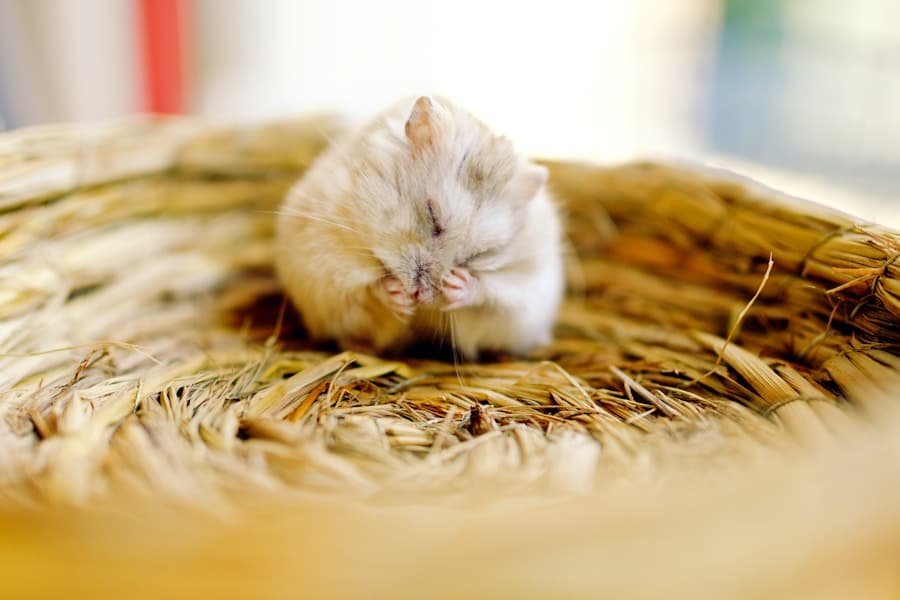
Caring for a Syrian hamster involves providing a suitable environment that meets their physical and psychological needs. A spacious cage is essential; it should be at least 24 inches long and equipped with proper ventilation. Hamsters are natural burrowers, so providing bedding material like aspen shavings or paper-based bedding is crucial for their comfort. Socialization and Interaction with Syrian Hamsters
Activity Frequency Handling 3-4 times a week Exercise time 30 minutes daily Playtime with toys 1-2 times a day Interaction with other hamsters Supervised playtime 2-3 times a week Diet and Nutrition for Syrian Hamsters
Health and Common Diseases of Syrian Hamsters

Breeding and Reproduction of Syrian Hamsters
Fun Facts and Trivia about Syrian Hamsters
FAQs
What is a Syrian hamster?
What do Syrian hamsters look like?
What do Syrian hamsters eat?
How big do Syrian hamsters get?
What kind of habitat do Syrian hamsters need?
Are Syrian hamsters social animals?