
Table of Contents
The roots of Persian culture can be traced back to the ancient civilization of Persia, which emerged around 550 BCE with the establishment of the Achaemenid Empire. This empire, founded by Cyrus the Great, marked a significant turning point in history as it unified various tribes and regions under a single rule, promoting a rich tapestry of cultural exchange. The Achaemenids were known for their progressive governance, which allowed for the flourishing of arts, sciences, and trade.
The capital city of Persepolis became a symbol of this cultural renaissance, showcasing intricate carvings and monumental architecture that reflected the empire’s grandeur. As Persia evolved through various dynasties, including the Parthians and Sassanids, its culture continued to develop and adapt. The influence of Zoroastrianism, one of the world’s oldest monotheistic religions, played a crucial role in shaping Persian values and ethics.
The emphasis on duality, good versus evil, and the importance of individual choice permeated Persian thought and art. This ancient heritage laid the groundwork for a culture that would later influence neighboring regions and contribute significantly to the broader tapestry of human civilization.
Key Takeaways
- Persian culture has ancient origins dating back to the Achaemenid Empire and has been influenced by various civilizations over the centuries.
- Persian culture has had a significant impact on the world, particularly in the fields of art, literature, and architecture.
- Persian art and architecture have evolved over the ages, blending elements from different periods and regions to create a unique and diverse aesthetic.
- The Persian language and literature have undergone significant evolution, with classical Persian poetry and prose being highly revered.
- Persian culture is rich in traditions and customs, including hospitality, respect for elders, and the celebration of Nowruz, the Persian New Year.
The Influence of Persian Culture on the World
Persian culture has had a profound impact on various aspects of global civilization, particularly in art, science, and philosophy. The Silk Road, which connected the East and West, served as a conduit for the exchange of ideas and goods, allowing Persian innovations to reach far beyond its borders. Scholars from Persia made significant contributions to mathematics, astronomy, and medicine during the Islamic Golden Age, influencing thinkers in Europe and Asia alike.
The works of Persian polymaths like Avicenna and Omar Khayyam laid the foundation for advancements in various fields, demonstrating the intellectual prowess of Persian culture. Moreover, Persian literature has left an indelible mark on world literature. The epic poetry of Ferdowsi’s “Shahnameh” and the romantic verses of Rumi have transcended time and geography, resonating with readers across cultures.
These literary masterpieces not only reflect the beauty of the Persian language but also convey universal themes of love, heroism, and the human experience. As translations of these works spread throughout the world, they have inspired countless writers and poets, further solidifying Persia’s place in the global literary canon.
Persian Art and Architecture Through the Ages
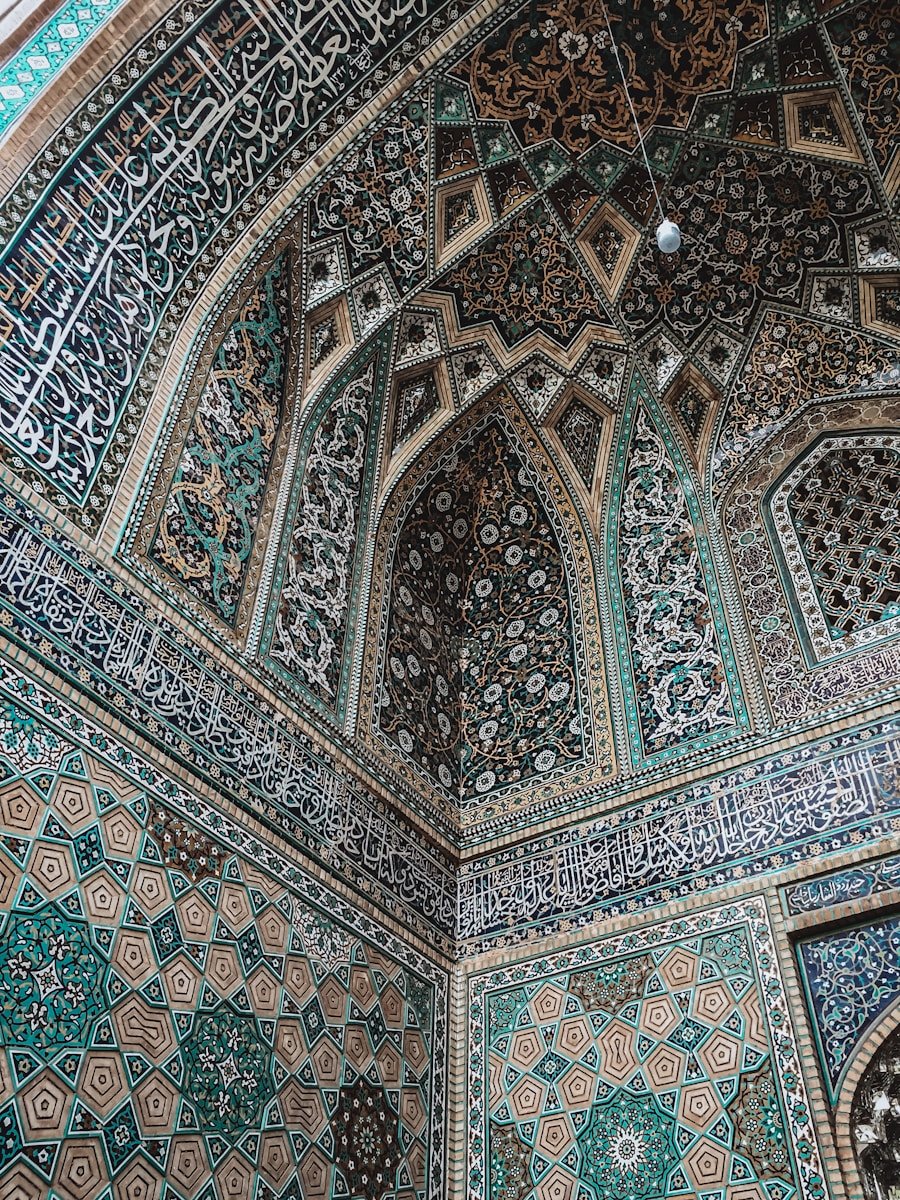
Persian art is characterized by its intricate designs, vibrant colors, and symbolic motifs that often draw from nature and mythology. From the earliest days of the Achaemenid Empire to the Safavid period, Persian artists have demonstrated exceptional skill in various mediums, including painting, calligraphy, ceramics, and textiles. The use of geometric patterns and floral designs is a hallmark of Persian art, reflecting both aesthetic beauty and spiritual significance.
These artistic traditions have not only enriched Persian culture but have also influenced art movements around the world. Architecture in Persia is equally remarkable, with structures that showcase both grandeur and innovation. The ruins of Persepolis stand as a testament to the architectural prowess of ancient Persians, featuring colossal columns and detailed reliefs that narrate historical events.
The Islamic period saw the emergence of stunning mosques adorned with intricate tile work and soaring minarets, exemplifying the fusion of functionality and beauty. Notable examples include the Sheikh Lotfollah Mosque in Isfahan and the Nasir al-Mulk Mosque in Shiraz, both celebrated for their breathtaking interiors that play with light and color. These architectural wonders continue to inspire admiration and serve as a source of national pride for Iranians.
The Evolution of Persian Language and Literature
| Period | Key Developments |
|---|---|
| Ancient Persian (c. 550 BCE – 650 CE) | Development of Old Persian cuneiform script, creation of Avesta, the sacred texts of Zoroastrianism |
| Classical Persian (650 – 1722 CE) | Flourishing of Persian poetry with works by Ferdowsi, Rumi, and Hafez, establishment of Persian as a literary language |
| Safavid Era (1501 – 1722 CE) | Golden age of Persian literature, patronage of arts and literature by Shah Abbas I, rise of Persian miniature painting |
| Qajar Dynasty (1794 – 1925 CE) | Modernization and westernization of Persian literature, emergence of prose fiction and journalism |
| Contemporary Period (1925 – present) | Continued evolution of Persian literature, influence of global literary trends, growth of Persian language media and publishing |
The Persian language has undergone significant transformations over the centuries, evolving from Old Persian to Middle Persian and finally to Modern Persian (Farsi). Each stage reflects the sociopolitical changes within Persia and its interactions with neighboring cultures. Old Persian inscriptions from the Achaemenid era reveal a language rich in expression and complexity, while Middle Persian served as a bridge during the Islamic conquest, incorporating Arabic vocabulary and influences.
Today, Modern Persian is spoken by millions across Iran and beyond, serving as a vital link to the country’s cultural heritage.
The poetic tradition is particularly celebrated, with poets like Hafez and Saadi crafting verses that explore themes of love, spirituality, and human existence.
Their works are not only cherished in Iran but have also found resonance in global literature. The storytelling tradition in Persian literature is equally rich, with tales that blend history and mythology, such as those found in “One Thousand and One Nights.” This collection has captivated audiences worldwide, showcasing the imaginative spirit of Persian storytelling.
Traditions and Customs in Persian Culture
Persian culture is steeped in rich traditions and customs that reflect its historical depth and social values. Family plays a central role in Persian society, with strong bonds often extending beyond immediate relatives to include a wider network of kinship. Hospitality is another cornerstone of Persian culture; guests are treated with utmost respect and generosity.
Traditional gatherings often feature elaborate meals where food is not just sustenance but a means of fostering connections among family and friends. Rituals surrounding life events such as weddings and funerals are also significant in Persian culture. Weddings are grand celebrations filled with vibrant colors, music, and dance that can last several days.
The “Sofreh Aghd,” a beautifully arranged spread featuring symbolic items representing love and prosperity, is central to these ceremonies. Conversely, funerals are marked by somber rituals that emphasize respect for the deceased while providing support for grieving families. These customs highlight the importance of community in navigating life’s milestones.
Celebrating Persian Festivals and Holidays
Persian culture is rich with festivals that celebrate its history, agricultural cycles, and religious beliefs. One of the most significant celebrations is Nowruz, or Persian New Year, which marks the arrival of spring on the vernal equinox. This ancient festival symbolizes renewal and rebirth; families engage in various traditions such as cleaning their homes (Khaneh Tekani), setting up Haft-Seen tables adorned with seven symbolic items starting with the letter ‘S,’ and visiting loved ones to exchange well-wishes.
Another important holiday is Yalda Night (Shab-e Yalda), which celebrates the longest night of the year. Families gather to share stories, poetry readings, and traditional foods like pomegranates and nuts while waiting for dawn to arrive. This celebration emphasizes togetherness and cultural heritage as families reflect on their roots while enjoying each other’s company.
These festivals not only strengthen familial bonds but also serve as a reminder of Persia’s rich cultural legacy.
The Culinary Delights of Persian Cuisine
Persian cuisine is renowned for its diverse flavors, aromatic spices, and colorful presentations that reflect the country’s rich agricultural heritage. Rice is a staple in many dishes; it is often served alongside succulent meats marinated in saffron or pomegranate juice. Dishes like kebabs are popular throughout Iran; they are grilled to perfection over open flames, infusing them with smoky flavors that tantalize the taste buds.
Herbs play a crucial role in Persian cooking; dishes are often garnished with fresh herbs like parsley, cilantro, or mint to enhance their flavor profiles. Stews such as Ghormeh Sabzi (herb stew) or Fesenjan (pomegranate walnut stew) showcase this culinary tradition beautifully. Additionally, sweets like Baklava or Saffron ice cream provide a delightful end to meals.
The emphasis on fresh ingredients combined with intricate cooking techniques makes Persian cuisine a true culinary delight that continues to captivate food lovers around the world.
Preserving and Promoting Persian Culture in the Modern World
In an increasingly globalized world, preserving and promoting Persian culture has become essential for maintaining its unique identity. Various organizations and cultural institutions work tirelessly to celebrate Persian heritage through art exhibitions, literary festivals, language classes, and culinary events. These initiatives aim to educate both Iranians living abroad and non-Iranians about the richness of Persian culture while fostering cross-cultural dialogue.
Social media platforms have also emerged as powerful tools for sharing aspects of Persian culture with a global audience. Artists, chefs, poets, and scholars utilize these platforms to showcase their work while connecting with others who share an interest in Persian heritage. By embracing modern technology while honoring traditional practices, there is hope for future generations to appreciate and carry forward this vibrant culture into an ever-evolving world.
In conclusion, Persian culture is a treasure trove of history, art, language, traditions, cuisine, and festivals that continue to resonate across time and space. Its ancient origins have laid a foundation for a rich cultural legacy that influences various aspects of life today. As we celebrate this heritage while navigating modern challenges, it becomes imperative to preserve its essence for future generations to cherish and enjoy.
If you are interested in learning more about exotic pets, you should check out this article on The Paw Wise. It provides a detailed definition of what constitutes an exotic pet and the unique care requirements they may have. Additionally, if you have a pet bird and are curious about why they pluck their feathers, you may want to read this informative article on the same website. And for cat owners looking for new ways to entertain their feline friends, this article offers some great ideas on toys and activities that cats love.
FAQs
What is Persian?
Persian refers to the language, culture, and people of Iran (formerly known as Persia). It is an Indo-European language that is primarily spoken in Iran, Afghanistan, and Tajikistan.
What is the history of Persian language and culture?
The Persian language has a rich history dating back to ancient times, with roots in the Avestan language of the ancient Persian Empire. Persian culture has also been influenced by various empires and dynasties, including the Achaemenid, Parthian, and Sassanian empires.
What are some key features of the Persian language?
Persian is written in the Persian script, which is a modified version of the Arabic script. It is known for its poetic and lyrical qualities, and has a rich literary tradition dating back to the medieval period.
What are some famous works of Persian literature?
Persian literature is known for its epic poetry, with works such as the Shahnameh (Book of Kings) by Ferdowsi and the Rubaiyat of Omar Khayyam being widely celebrated. Persian literature has also produced renowned poets such as Rumi and Hafez.
What are some traditional aspects of Persian culture?
Persian culture is known for its rich traditions in art, music, and cuisine. Traditional Persian music often features instruments such as the tar, setar, and santur, while Persian cuisine is famous for dishes such as kebabs, rice pilaf, and various types of stews.
What is the significance of Persian culture in the modern world?
Persian culture continues to have a significant impact on the world, particularly in the fields of literature, art, and music. Persian cuisine and handicrafts are also gaining popularity globally, contributing to the promotion of Persian culture.