Table of Contents
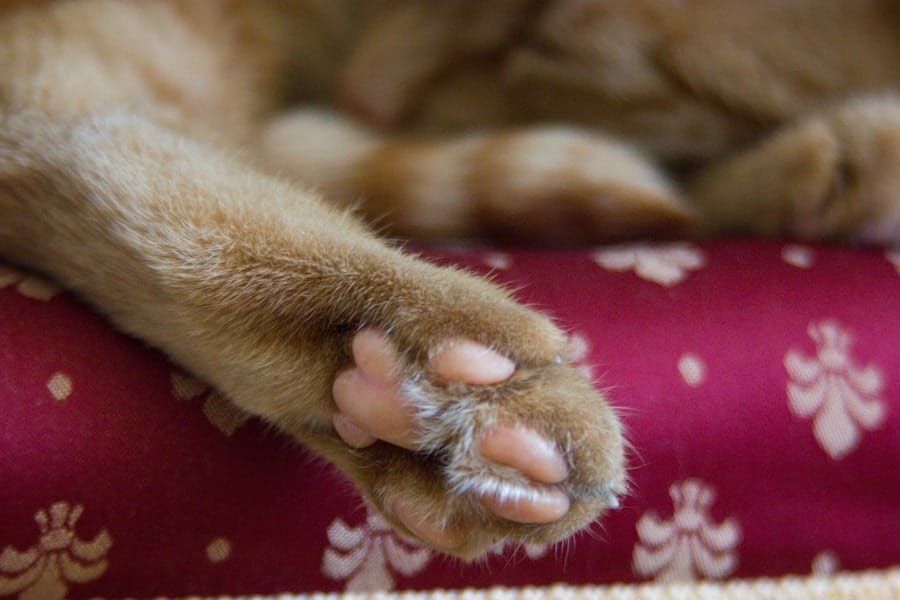
Polydactylism in cats is a genetic condition characterized by the presence of extra toes on one or more paws. Typically, a cat has five toes on its front paws and four on its back paws, but polydactyl cats can have anywhere from six to eight toes on their front paws, and occasionally extra toes on their hind paws as well. This condition arises from a mutation in the gene responsible for limb development, leading to the formation of additional digits.
The extra toes can vary in size and functionality; some may be fully formed and capable of movement, while others may be smaller and less developed. The appearance of polydactyl cats can be quite striking, as the extra toes often give them a unique and somewhat whimsical look. The additional digits can also affect the cat’s paw structure, leading to a broader foot that some owners find endearing.
While polydactylism is most commonly associated with domestic cats, it can also occur in other species, including dogs and even some farm animals. The phenomenon is not limited to any specific breed; however, certain breeds, such as the Maine Coon and the American Polydactyl, are more frequently associated with this trait. Please feel free to Contact us if you have any questions or concerns.
Key Takeaways
- Polydactylism in cats is a genetic trait that causes extra toes on their paws.
- Polydactyl cats have a historical significance, with records dating back to the 1800s in the United States.
- Famous polydactyl cats include those owned by author Ernest Hemingway and ship captain Eben Snow.
- Polydactylism is a genetic trait that can be inherited and is more common in certain breeds.
- Health and care considerations for polydactyl cats include regular nail trimming and monitoring for any foot-related issues.
Historical Significance of Polydactyl Cats
The historical significance of polydactyl cats can be traced back to various cultures and regions where they were revered for their unique characteristics. In the early 20th century, polydactyl cats gained particular notoriety in maritime communities, especially among sailors. These cats were often seen as good luck charms, believed to bring fortune and protection during long sea voyages.
Their extra toes were thought to provide better balance and agility, making them adept at navigating the ship’s rigging and catching vermin onboard. One of the most notable historical references to polydactyl cats comes from the famous author Ernest Hemingway. Hemingway was known for his love of cats, and he adopted several polydactyl cats at his home in Key West, Florida.
The legacy of these cats continues today, as Hemingway’s estate has become a sanctuary for polydactyls, drawing visitors from around the world who are fascinated by their unique appearance and the stories surrounding them. This connection to literary history has helped solidify the polydactyl cat’s place in popular culture and has contributed to its allure as a pet.
Famous Polydactyl Cats
Throughout history, several polydactyl cats have captured the public’s imagination, becoming famous for their unique traits and the stories surrounding them. One of the most iconic examples is Snowball, a polydactyl cat owned by Ernest Hemingway. Snowball was one of many cats that roamed Hemingway’s estate, and his presence helped popularize the breed among literary circles.
Today, visitors to the Hemingway Home and Museum can meet descendants of Snowball and other polydactyls that continue to inhabit the property. Another notable polydactyl cat is Jake, who gained fame through social media platforms. Jake’s owner began sharing photos of him online, showcasing his impressive six-toed front paws.
His charming personality and striking appearance quickly garnered a following, leading to features in various publications and even merchandise inspired by his likeness. Jake’s rise to fame highlights how modern technology can elevate the status of unique pets, allowing them to reach audiences far beyond their immediate surroundings.
Genetics and Inheritance of Polydactylism
The genetics behind polydactylism in cats is primarily linked to a dominant gene known as “Pd.” This gene affects the development of limbs during embryonic growth, leading to the formation of extra digits. When a cat inherits this gene from one or both parents, it can express the polydactyl trait. The inheritance pattern is relatively straightforward; if one parent carries the gene, there is a 50% chance that their offspring will also be polydactyl.
Interestingly, not all polydactyl cats exhibit the same number of extra toes. The expression of the trait can vary widely among individuals, even within the same litter. Some may have just one extra toe on each paw, while others may have multiple additional digits.
This variability is due to the complex nature of genetic expression and how it interacts with other genes responsible for limb development. As researchers continue to study feline genetics, they hope to gain a deeper understanding of how these traits are inherited and expressed.
Health and Care Considerations for Polydactyl Cats
While polydactylism itself is not inherently harmful, there are health considerations that owners should keep in mind when caring for these unique felines. One potential issue is that extra toes can lead to complications such as ingrown nails or difficulty in grooming. The additional digits may not wear down as naturally as regular claws, necessitating regular nail trimming to prevent discomfort or injury.
Owners should be vigilant about checking their polydactyl cat’s paws regularly to ensure that all claws are healthy and properly maintained. Another consideration is the potential for joint issues or structural abnormalities due to the altered anatomy of polydactyl cats. While many polydactyls lead perfectly healthy lives without any complications, some may experience arthritis or other joint-related problems as they age.
Regular veterinary check-ups are essential for monitoring their overall health and addressing any concerns that may arise. Providing a balanced diet and ensuring that your cat remains active can also help mitigate some of these risks.
Polydactyl Cats in Pop Culture
Polydactyl cats have made their mark in pop culture, often symbolizing uniqueness and charm. Their distinctive appearance has led to appearances in various forms of media, from literature to film and television. For instance, animated films often feature quirky characters with exaggerated traits, including extra toes that add to their whimsical nature.
This portrayal reinforces the idea that polydactyl cats are not just pets but also embody a sense of individuality that resonates with audiences. In addition to fictional representations, real-life polydactyl cats have found fame through social media platforms like Instagram and TikTok. Owners share videos showcasing their cats’ playful antics and unique features, creating a community of enthusiasts who celebrate these extraordinary felines.
Polydactyl Cats in Different Cultures and Folklore
Polydactyl cats have been woven into the fabric of various cultures and folklore throughout history. In some cultures, they are considered symbols of good luck or prosperity. For example, in certain Caribbean islands, sailors believed that having a polydactyl cat on board would ensure safe travels and bountiful catches while fishing.
This belief likely stems from the cat’s ability to navigate difficult terrain with its extra toes, making it an invaluable companion on long voyages. In addition to maritime lore, some Native American tribes viewed polydactyl cats as special creatures with unique abilities. They were often associated with spiritual significance and were believed to possess heightened senses or intuition compared to their non-polydactyl counterparts.
This reverence for polydactylism reflects a broader appreciation for genetic diversity in animals and how certain traits can be celebrated within cultural narratives.
The Appeal of Polydactyl Cats as Pets
The appeal of polydactyl cats as pets lies not only in their distinctive physical traits but also in their personalities and behaviors. Many owners report that polydactyls tend to be affectionate and sociable animals, often forming strong bonds with their human companions. Their playful nature can make them entertaining pets that engage actively with their families, whether through interactive play or simply lounging around together.
Moreover, the uniqueness of owning a polydactyl cat adds an element of charm that many pet owners find irresistible. The extra toes serve as conversation starters among friends and family, allowing owners to share stories about their cat’s quirks and history. This sense of individuality fosters a deeper connection between pet and owner, making the experience of sharing life with a polydactyl cat all the more rewarding.
If you’re interested in learning more about unique pets, you may want to check out this article on what defines an exotic pet. It delves into the various types of animals that fall under this category and the considerations that come with owning one. It’s a fascinating read for anyone looking to expand their knowledge on non-traditional pets.
FAQs
What is a polydactyl cat?
A polydactyl cat is a cat with a genetic mutation that causes it to have more than the usual number of toes on one or more of its paws.
How many toes can a polydactyl cat have?
Polydactyl cats can have as many as 7 toes on each paw, although the most common form of polydactyly results in the cat having 6 toes.
Are polydactyl cats a specific breed?
Polydactyl cats are not a specific breed, but the trait is more commonly found in certain breeds, such as the Maine Coon.
Are there any health issues associated with polydactyl cats?
In general, polydactyl cats do not have any health issues specifically related to their extra toes. However, they may require extra care to keep their extra toes clean and trimmed.
Do polydactyl cats have any special abilities because of their extra toes?
Some people believe that polydactyl cats have better balance and climbing abilities due to their extra toes, but there is no scientific evidence to support this claim.
Are polydactyl cats considered lucky in any cultures?
In some cultures, polydactyl cats are considered to be good luck, and are often referred to as “Hemingway cats” after the writer Ernest Hemingway, who was fond of them.
Can polydactyl cats be shown in cat shows?
Polydactyl cats are not typically allowed to be shown in cat shows, as most breed standards specify a certain number of toes for each paw.