Table of Contents
Building a dog house can be a rewarding project for pet owners who want to provide their furry friends with a comfortable and safe space. A well-constructed dog house not only offers shelter from the elements but also serves as a personal retreat for your dog, where they can feel secure and relaxed. The process of creating a dog house can be an enjoyable experience, allowing you to express your creativity while ensuring that your pet has a cozy environment tailored to their needs.
DIY dog house plans come in various styles and complexities, catering to different skill levels and preferences. Whether you are a novice looking to build a simple structure or an experienced builder seeking to create a more elaborate design, there are countless resources available to guide you through the process.
Check out more interesting articles at More Interesting Articles.
Key Takeaways
- DIY dog house plans are a cost-effective and rewarding way to provide a comfortable shelter for your furry friend.
- Basic materials and tools needed for building a dog house include wood, nails, hammer, saw, and insulation.
- Beginners can start with simple dog house plans that involve a basic structure with a sloped roof and a raised floor.
- Experienced builders can challenge themselves with advanced dog house plans that incorporate features like a porch, windows, and decorative elements.
- Unique and creative dog house plans offer unconventional designs such as a log cabin or a miniature replica of the owner’s house.
Materials and Tools Needed for Building a Dog House
Choosing the Right Materials
Common materials used for building a dog house include plywood, treated lumber, and insulation. Plywood is a popular choice due to its lightweight nature and ease of handling. Treated lumber, on the other hand, provides added resistance against pests and moisture. Insulation can be added to ensure that the dog house remains warm in winter and cool in summer, enhancing your pet’s comfort.
Essential Tools for the Job
In addition to materials, having the right tools is crucial for a successful build. Basic tools such as a saw, hammer, drill, and measuring tape are essential for cutting and assembling the structure. A level is also important to ensure that the dog house sits evenly on the ground, preventing water from pooling inside. For those looking to add more intricate features, tools like a jigsaw or router may be beneficial.
Safety First
Safety gear, including gloves and goggles, should not be overlooked, as they protect you during the construction process.
Basic Dog House Plans for Beginners
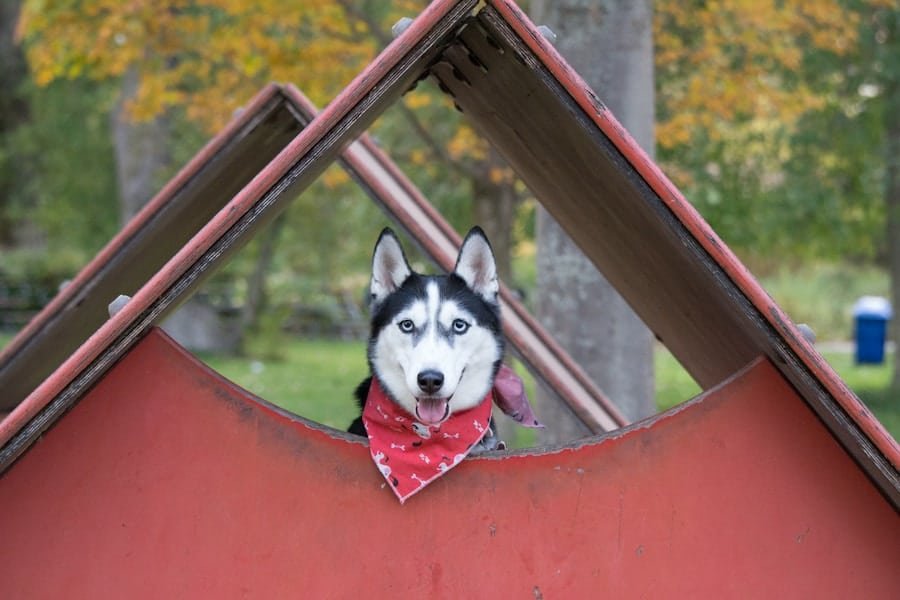
For those new to woodworking or DIY projects, starting with a basic dog house plan is advisable. A simple rectangular design with a slanted roof is an excellent choice for beginners. This type of structure typically requires minimal cuts and can be assembled quickly.
The dimensions can be adjusted based on the size of your dog; for example, a small dog may require a house measuring 24 inches wide by 30 inches deep, while larger breeds may need dimensions closer to 36 inches wide by 48 inches deep. The construction process begins with cutting the floor panel from plywood, followed by the walls and roof panels. Once all pieces are cut, they can be assembled using screws or nails.
It is important to ensure that the walls are securely attached to the floor before adding the roof. A slanted roof not only adds aesthetic appeal but also helps with water drainage, preventing leaks during rainy weather. Adding a hinged roof can provide easy access for cleaning and maintenance, making it a practical feature for any dog house.
Advanced Dog House Plans for Experienced Builders
For those with more experience in woodworking or construction, advanced dog house plans offer opportunities for creativity and complexity. These designs may include features such as multiple rooms, built-in storage for dog supplies, or even elevated platforms for added comfort. One popular advanced design is the “dog mansion,” which resembles a small home complete with windows, a porch, and decorative elements like shingles or paint.
Building an advanced dog house requires careful planning and precise measurements. It is essential to create detailed blueprints that outline each component of the structure. Incorporating insulation into the walls and roof can enhance energy efficiency, making the dog house suitable for year-round use.
Additionally, advanced builders may choose to use more durable materials such as cedar or redwood, which are naturally resistant to decay and insects. These materials not only extend the lifespan of the dog house but also add an attractive finish that complements outdoor spaces.
Unique and Creative Dog House Plans
For pet owners looking to make a statement with their dog’s living space, unique and creative dog house plans can transform an ordinary structure into an extraordinary one. Designs inspired by famous architectural styles or themed around specific interests can add personality to your yard. For instance, a dog house designed to resemble a miniature version of your own home can create a charming visual connection between your property and your pet’s space.
Another creative approach is to incorporate natural elements into the design. A dog house built around a tree trunk or integrated into a garden landscape can provide an aesthetically pleasing environment while offering shade and protection from the elements. Additionally, using reclaimed materials such as old doors or windows can add character and sustainability to your project.
These unique designs not only serve as functional shelters but also become conversation pieces that reflect your creativity and love for your pet.
Eco-Friendly Dog House Plans
As environmental awareness grows, many pet owners are seeking eco-friendly options for their dog’s living spaces. Eco-friendly dog house plans prioritize sustainability by utilizing recycled materials and energy-efficient designs. For example, using reclaimed wood from old pallets or furniture can significantly reduce waste while providing sturdy construction material.
Incorporating green building practices extends beyond materials; it also includes design elements that promote energy efficiency. Features such as proper ventilation can help regulate temperature without relying on artificial heating or cooling systems. Additionally, using non-toxic paints and finishes ensures that your dog’s environment remains safe from harmful chemicals.
By choosing eco-friendly options, you not only create a comfortable space for your pet but also contribute positively to the environment.
Indoor Dog House Plans
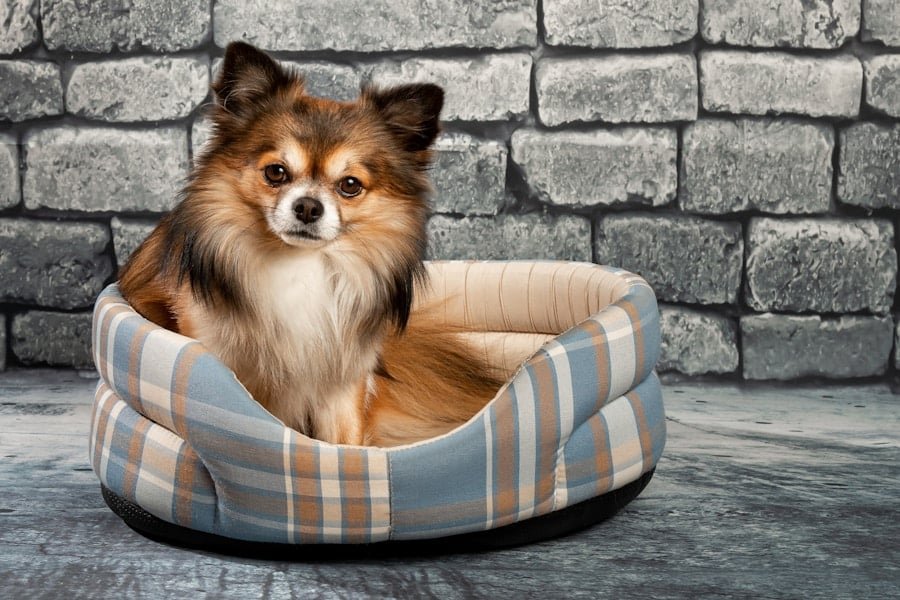
Indoor dog houses offer pets a cozy retreat within the home while maintaining their own space. These designs can range from simple crates with added bedding to elaborate structures that blend seamlessly with home decor. An indoor dog house should be designed with comfort in mind; soft bedding, adequate ventilation, and easy access are essential components.
When planning an indoor dog house, consider its location within your home. Placing it in a quiet corner or near family activity areas allows your dog to feel included while still having their own space. Customizing the indoor dog house with personal touches such as your dog’s name or favorite colors can enhance its appeal.
Additionally, incorporating storage solutions for toys or supplies within the design can help keep your living area organized while providing convenience.
Tips for Customizing and Personalizing Your Dog House
Customization is key when building a dog house that reflects both your style and your dog’s personality. One of the simplest ways to personalize your dog’s space is through paint or stain; choosing colors that match your home or garden can create visual harmony in your outdoor area. Adding decorative elements such as paw print stencils or custom signage can further enhance the uniqueness of the structure.
Beyond aesthetics, consider incorporating features that cater specifically to your dog’s needs. For instance, if your dog enjoys lounging in the sun, adding a small deck or patio area can provide them with an outdoor space to relax comfortably. Alternatively, if your pet prefers shade, positioning the entrance away from direct sunlight can help keep them cool during hot days.
Customizing your dog’s house not only makes it visually appealing but also ensures that it meets their specific requirements for comfort and safety. In conclusion, building a dog house is an enriching project that allows pet owners to create a personalized space for their furry companions. With various plans available for all skill levels—from basic structures to advanced designs—there is something for everyone looking to embark on this journey.
By considering materials, tools, customization options, and eco-friendly practices, you can construct a dog house that not only serves its purpose but also reflects your love for your pet.
If you’re looking to create a harmonious environment for all your pets, you may want to check out this article on how your dog can become your pet bird’s best friend. Building a dog house is just one step towards creating a happy home for all your furry and feathered friends. Additionally, if you ever find yourself in the unfortunate situation of a lost cat, this article provides 10 different ways to help you locate your missing feline friend. And for those who want to ensure they are providing the best care for their cats, this simple guide covers all the essentials for kitty care.
FAQs
What are DIY dog house plans?
DIY dog house plans are step-by-step instructions for building a dog house from scratch. These plans typically include a list of materials, tools needed, and detailed measurements and diagrams.
Are DIY dog house plans free?
Yes, the article “14 Free DIY Dog House Plans Anyone Can Build” provides a list of free dog house plans that anyone can access and use to build a dog house without having to pay for the plans.
What materials are typically needed for building a dog house?
Common materials for building a dog house include wood, plywood, insulation, roofing materials, screws, nails, and paint. The specific materials needed will depend on the chosen dog house plan.
Do I need special tools to build a dog house?
Basic tools such as a saw, hammer, drill, measuring tape, and screwdriver are typically needed for building a dog house. Some plans may require additional tools, so it’s important to review the list of required tools before starting the project.
How long does it take to build a dog house using DIY plans?
The time it takes to build a dog house using DIY plans can vary depending on the complexity of the design and the builder’s experience. Some simple dog house designs can be completed in a day, while more intricate designs may take several days to complete.
Are DIY dog house plans suitable for beginners?
Yes, many DIY dog house plans are designed to be beginner-friendly, with clear instructions and diagrams to guide the builder through the process. However, it’s important for beginners to choose a plan that matches their skill level and to take their time to ensure a safe and sturdy final product.
Can I customize the dog house plans to fit my dog’s specific needs?
Yes, DIY dog house plans can often be customized to accommodate specific needs, such as the size of the dog or specific weather conditions. Builders can adjust the dimensions and add features such as insulation or a raised floor to tailor the dog house to their dog’s needs.
Are there different styles of dog houses available in the free DIY plans?
Yes, the free DIY dog house plans featured in the article “14 Free DIY Dog House Plans Anyone Can Build” include a variety of styles, from simple classic designs to more elaborate and unique structures. Builders can choose a style that best suits their preferences and their dog’s needs.