
Table of Contents
Behavioral changes in animals, particularly in pets like dogs and cats, can often serve as the first indicators of underlying health issues. These changes can manifest in various ways, including increased aggression, withdrawal from social interactions, or alterations in sleeping patterns. For instance, a normally playful dog may suddenly become disinterested in games or walks, preferring to lie down in a corner.
This shift can be alarming for pet owners, as it often signifies that something is amiss. Behavioral changes can stem from a range of causes, including pain, anxiety, or even neurological disorders.
A cat that typically greets its owner at the door may start hiding under furniture, which could indicate stress or illness. Similarly, dogs that exhibit sudden fearfulness or anxiety might be responding to pain or discomfort that is not immediately visible. It is essential for pet owners to observe these changes closely and consider any recent events that might have triggered them, such as a change in environment, the introduction of new pets, or even alterations in the owner’s routine.
Recognizing these signs early can lead to timely veterinary intervention, which is often critical for effective treatment.
Key Takeaways
- Changes in behavior can indicate a potential health issue in your pet, such as increased aggression or withdrawal.
- Difficulty breathing, indicated by rapid or labored breathing, can be a sign of a serious health problem and requires immediate attention.
- Lethargy or weakness in your pet may be a symptom of an underlying illness or injury and should be addressed by a veterinarian.
- Loss of appetite or excessive thirst can be a sign of various health issues, including kidney disease or diabetes, and should be monitored closely.
- Vomiting or diarrhea in pets can be a sign of a gastrointestinal issue or ingestion of a toxic substance, and should be evaluated by a veterinarian.
Difficulty Breathing
Recognizing the Signs of Respiratory Distress
This condition can manifest as rapid or labored breathing, coughing, or an increased effort to breathe. For example, a dog that is panting excessively even when at rest may be experiencing respiratory distress. Observing the pet’s posture can also provide clues; animals in respiratory distress often adopt a stance with their neck extended and elbows splayed out to facilitate easier breathing.
Subtle Signs in Cats
In cats, difficulty breathing can be particularly subtle and may not always present with obvious signs. Owners might notice their feline companions are more lethargic than usual or are hiding more frequently. Cats may also exhibit open-mouth breathing, which is a clear indication of respiratory distress and should prompt immediate veterinary attention.
Causes and Consequences
The underlying causes of breathing difficulties can range from asthma and bronchitis to more severe conditions like tumors or heart disease. Timely diagnosis and treatment are crucial, as respiratory issues can escalate quickly and lead to life-threatening situations if not addressed promptly.
Lethargy or Weakness
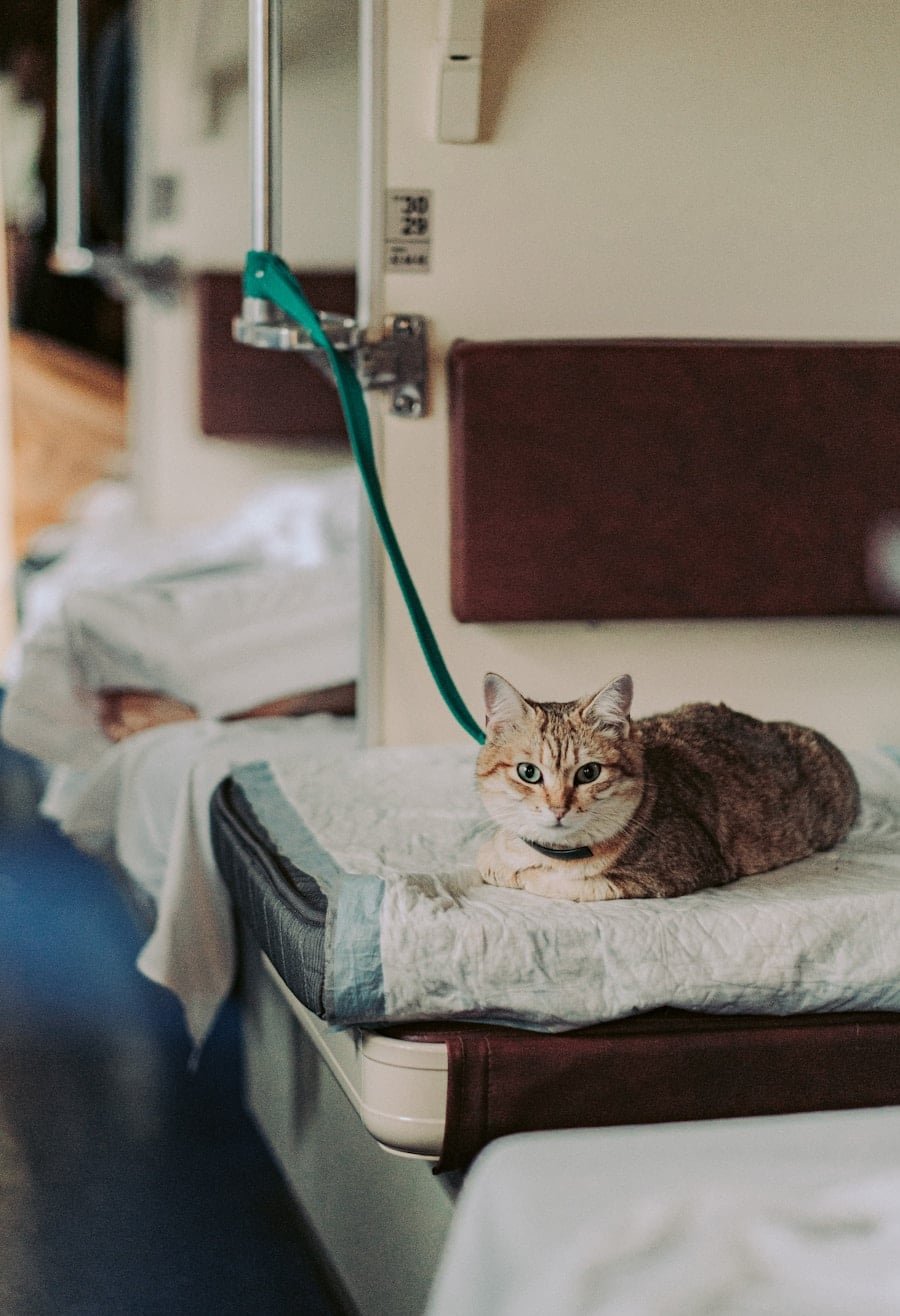
Lethargy or weakness in pets is often a red flag that something is wrong. While pets may have off days where they seem less energetic than usual, persistent lethargy can indicate underlying health problems that require attention. For instance, a dog that usually enjoys long walks but suddenly shows reluctance to move may be experiencing pain or discomfort due to conditions such as arthritis or an injury.
Similarly, cats that are typically active and curious but become withdrawn and inactive may be suffering from illness or stress. The causes of lethargy can be diverse and complex. Infections, metabolic disorders, and even certain types of cancer can lead to significant decreases in energy levels.
For example, conditions like diabetes mellitus can cause weakness due to fluctuating blood sugar levels, while infections such as parvovirus in dogs can lead to severe lethargy accompanied by other symptoms like vomiting and diarrhea. It is essential for pet owners to monitor their pets closely and seek veterinary advice if lethargy persists for more than a day or two, especially if accompanied by other concerning symptoms.
Loss of Appetite or Excessive Thirst
Changes in appetite are often one of the first signs that something is wrong with a pet’s health. A sudden loss of appetite can indicate various issues ranging from dental problems to systemic diseases such as kidney failure or liver disease. For example, a dog that refuses its favorite food may be experiencing oral pain due to dental disease or may have an underlying gastrointestinal issue that makes eating uncomfortable.
In contrast, excessive thirst—known as polydipsia—can also signal health problems such as diabetes mellitus or kidney disease. Monitoring a pet’s drinking habits is equally important as observing their eating patterns. A cat that suddenly starts drinking more water than usual may be trying to compensate for dehydration caused by kidney dysfunction or hyperthyroidism.
Similarly, dogs that exhibit excessive thirst may be suffering from conditions like Cushing’s disease or diabetes insipidus. Both loss of appetite and excessive thirst warrant immediate veterinary evaluation, as they can lead to further complications if not addressed promptly. Understanding these signs can help pet owners take proactive steps toward ensuring their pets receive the necessary care.
Vomiting or Diarrhea
Vomiting and diarrhea are common symptoms in pets that can arise from various causes, ranging from dietary indiscretion to serious medical conditions. For instance, a dog that has gotten into the trash may vomit due to eating something harmful or indigestible.
The frequency and appearance of the vomit or feces can provide valuable diagnostic clues; for example, bloody vomit or diarrhea is particularly concerning and requires immediate veterinary attention. In addition to the physical symptoms of vomiting and diarrhea, pet owners should also be aware of accompanying signs such as lethargy, dehydration, and changes in behavior. Dehydration is a significant risk associated with both vomiting and diarrhea; pets may become lethargic and weak if they lose too much fluid without adequate replacement.
Monitoring for signs of dehydration—such as dry gums, sunken eyes, and skin elasticity—can help owners assess the severity of their pet’s condition. If vomiting or diarrhea persists for more than 24 hours or is accompanied by other concerning symptoms like fever or abdominal pain, it is crucial to seek veterinary care promptly to prevent further complications and ensure the health and well-being of the pet.
If you suspect your pet may need to see a vet, it’s important to act quickly. In addition to the signs mentioned in the article, it’s also crucial to be aware of any unusual behavior or symptoms your pet may be exhibiting. For more information on caring for your feathered friends, check out this article on parrots and kids. It’s always better to be safe than sorry when it comes to the health and well-being of your beloved pets.
FAQs

What are the signs that my pet needs to see a vet today?
Some signs that your pet needs to see a vet today include difficulty breathing, sudden changes in behavior, severe vomiting or diarrhea, inability to urinate, and severe injuries.
Why is it important to take my pet to the vet as soon as possible?
It is important to take your pet to the vet as soon as possible because some conditions can quickly become life-threatening if not treated promptly. Early intervention can also lead to better outcomes for your pet.
Can I wait a few days to see if my pet’s symptoms improve before taking them to the vet?
It is not recommended to wait if your pet is showing signs of needing immediate medical attention. Waiting could worsen their condition and make treatment more difficult.
What should I do if my pet is showing signs that they need to see a vet today?
If your pet is showing signs that they need to see a vet today, you should contact your veterinarian immediately and follow their advice. In some cases, they may recommend bringing your pet in right away or seeking emergency care.
How can I prevent my pet from needing emergency vet care?
You can prevent your pet from needing emergency vet care by keeping up with their regular veterinary check-ups, maintaining a healthy diet and exercise routine, and being aware of any changes in their behavior or health.